

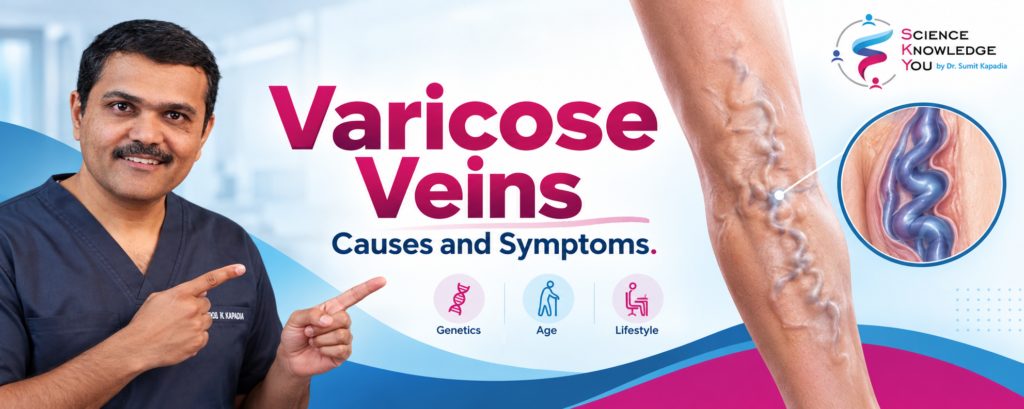
Varicose veins are the swollen, twisted, blue or dark purple veins that bulge just beneath the skin of your legs, often causing persistent aching, swelling, and cosmetic concern. Fortunately, modern varicose vein treatment has evolved far beyond the painful stripping surgeries of the past, offering quick and precise solutions.
Bridging this gap between advanced medical technology and patient comfort is Dr Sumit Kapadia, a gold-medalist vascular and endovascular surgeon at Aadicura Superspeciality Hospital in Vadodara. With over 20 years of expertise, Dr Kapadia combines a patient-first approach with personalised care and minimally invasive procedures, ensuring faster recovery and minimal downtime so you can walk out the same day with confidence.
What Is Varicose Vein Treatment?

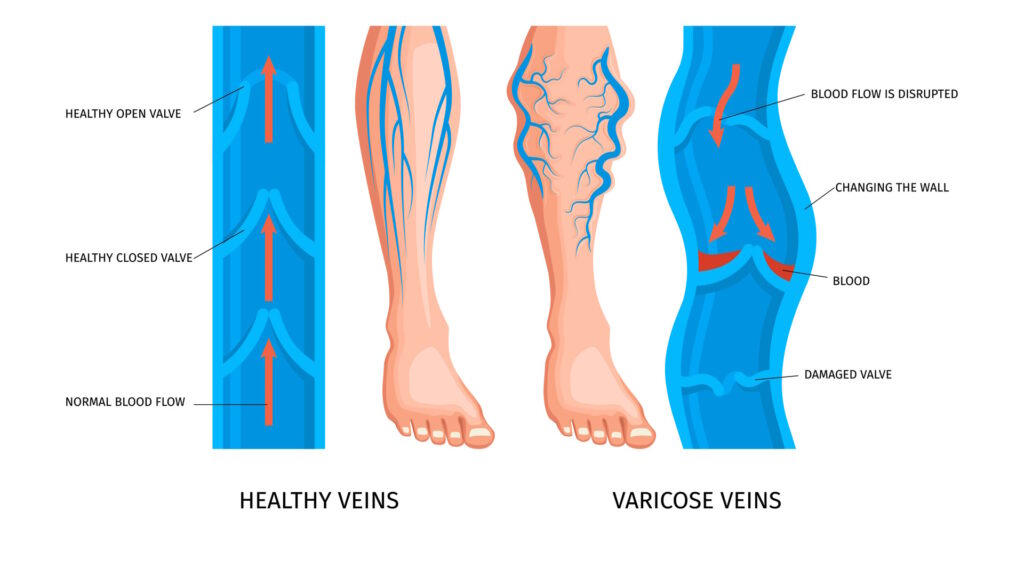
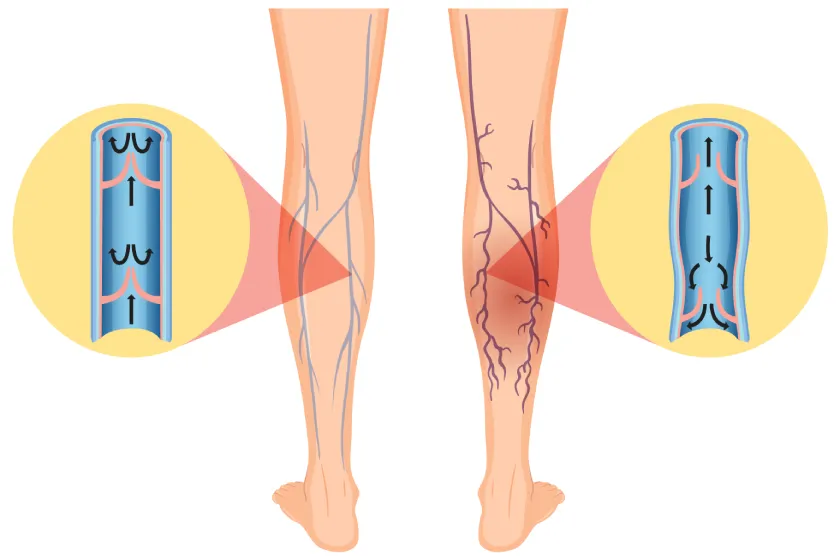
To understand what varicose vein disease is, it helps to look at how blood travels through your body. The veins in your legs contain tiny one-way valves designed to push blood upward toward your heart. When these valves become weak or damaged, blood pools backwards, causing the veins to become stretched, swollen, and twisted beneath the skin.
Because standing and walking increase pressure on the lower body, varicose veins most commonly affect the legs. Left untreated, they can lead to persistent discomfort, severe aching, ankle swelling, skin discolouration, and even painful open sores. Modern varicose vein treatment works by closing off or removing these damaged veins. This redirects blood flow through healthier surrounding veins, relieving daily discomfort and restoring the natural appearance of your legs.
Treatment Options for Varicose Veins by Dr Sumit Kapadia
No two patients have the same vein problem. Dr Sumit Kapadia always begins with a detailed duplex ultrasound scan to map damaged veins and understand their severity before recommending the best treatment for varicose veins.
Here are the advanced treatment options for varicose veins available at this clinic:
EVLT (Endovenous Laser Treatment)
- Procedure: A thin laser fibre is inserted into the damaged vein through a tiny, needle-sized opening under local anaesthesia. Laser energy heats the vein wall from the inside to seal it shut, redirecting blood flow to healthier veins.
- Benefits: Highly effective, minimally invasive alternative to surgery with a closure rate exceeding 95%.
- Recovery Time: You can walk immediately post-procedure and return to normal routine in 1 to 2 days.
- Ideal Candidate: Patients with medium to large varicose veins showing valve failure on ultrasound.
RFA (Radiofrequency Ablation)
- Procedure: A specialised catheter delivers controlled radiofrequency thermal energy inside the diseased vein, precisely sealing it shut with minimal heat impact on surrounding tissues.
- Benefits: Precise, gentle closure with significantly less post-procedure bruising and discomfort compared to traditional heat techniques.
- Recovery Time: Same-day discharge where you can resume normal work and activities within 2 to 3 days.
- Ideal Candidate: Patients with larger varicose veins looking for a gentle, precise sealing option.
VenaSeal (Glue Treatment)
- Procedure: A medical-grade adhesive is administered directly into the vein through a catheter, instantly bonding and sealing the vein shut without heat.
- Benefits: Completely non-thermal, eliminates the need for multiple local anaesthesia injections along the leg, and usually allows patients to skip wearing post-procedure compression stockings.
- Recovery Time: Resume daily activities immediately on the same day.
- Ideal Candidate: Patients seeking a virtually painless, non-heat-based treatment with zero downtime.
Sclerotherapy
- Procedure: A liquid or foam sclerosant solution is injected into smaller target veins, irritating their inner lining and causing them to collapse, seal, and gradually fade over several weeks.
- Benefits: Quick, in-clinic procedure requiring no anaesthesia or incisions.
- Recovery Time: Immediate return to daily activities with no downtime.
- Ideal Candidate: Patients with spider veins or smaller surface branches (often used as a secondary treatment alongside EVLT or RFA).
Microphlebectomy
- Procedure: Bulging surface veins are physically removed through micro-incisions (about 2 to 3 mm) using tiny specialised instruments, where stitches are rarely required.
- Benefits: Immediate removal of visible, protruding veins with negligible risk of scarring.
- Recovery Time: You can begin light activity within 24 hours and full normal activity within 1 week.
- Ideal Candidate: Patients with large, rope-like surface varicose veins protruding visibly on the skin.
Compression Therapy
- Procedure: Medical-grade, graduated compression stockings apply targeted pressure to the legs to push blood upward toward the heart and prevent fluid pooling.
- Benefits: Reduces swelling, relieves leg aching, and supports healthy circulation naturally.
- Recovery Time: Non-invasive supportive care with no recovery downtime required.
- Ideal Candidate: Used as supportive care before/after procedures or for patients pursuing conservative non-surgical management.
Advantages of Varicose Vein Treatment
Choosing a modern, minimally invasive treatment offers advantages that go far beyond aesthetics, directly restoring comfort and vitality to your everyday routine.
Key benefits of varicose vein treatment include:
- Faster Recovery & Minimal Downtime: Most patients walk out the same day and return to work within 1 to 3 days without extended bed rest.
- Immediate Pain Relief: Closing faulty veins relieves persistent leg heaviness, aching, throbbing, and nighttime calf cramps.
- Improved Blood Circulation: Redirecting blood into healthier, deep veins reduces ankle swelling and fluid buildup.
- Cosmetic Improvement: Enlarged, twisted, blue or purple surface veins gradually collapse and fade, bringing back visual confidence.
- Prevention of Complications: Timely intervention stops progressive damage like skin darkening, spontaneous bleeding, and non-healing leg ulcers.
- Improved Quality of Life: Enjoying pain-free movement lets you return to daily walking, hobbies, and work without constant leg fatigue.
- Advantages of Laser Treatment & Modern Options: Procedures require only a needle-sized opening, ensuring no surgical scarring and high long-term closure rates.
When to See a Doctor?
Many people delay visiting a specialist because they assume varicose veins are just a cosmetic nuisance, but ignoring progressive symptoms can lead to severe complications. Watch for these warning signs:
- Persistent leg pain, heaviness, or throbbing that worsens by evening.
- Ankle or lower leg swelling that does not settle with rest.
- Skin discolouration near the ankle turning brown or dark.
- Non-healing leg ulcers or open sores on the lower leg.
- Spontaneous bleeding from a varicose vein after a minor bump.
- Symptoms getting noticeably worse over weeks or months.
- Recurrent nighttime leg cramps and restlessness.
Do not ignore symptoms such as persistent leg pain, swelling, skin changes, bleeding veins, or ulcers. Early diagnosis helps prevent serious complications and enables simple, minimally invasive treatment before the condition progresses. If any of these signs sound familiar, schedule a consultation with a vascular specialist like Dr Sumit Kapadia.
Procedure for Treating Varicose Veins
Consultation & Duplex Scan
You consult with Dr Kapadia, discuss your symptoms, and receive a detailed colour Doppler ultrasound of both legs.
Diagnosis
The scan shows which veins aren't working and how severe the reflux is. Dr Kapadia explains which procedure best suits your case.
Local Anaesthesia
The treatment area is numbed. You remain comfortable and awake throughout.
Procedure
The chosen technique — laser, RFA, glue or sclerotherapy— is performed under real-time ultrasound guidance. Most take 30–60 minutes.
Walking Right Away
You can walk within minutes of the procedure, which helps blood flow and speeds recovery.
Discharge
You go home the same day with clear aftercare instructions.
Follow-Up
A review visit with a repeat scan is scheduled in 1–2 weeks to confirm success.
Recovery and Care After Varicose Vein Treatments
Recovery from varicose veins is smooth for most patients. You might feel mild tightness or slight soreness for a few days, but that settles quickly. Recovery after laser treatment or other procedures typically takes 3 to 7 days, though many people return to desk work the very next day.
| Do's | Don'ts |
|---|---|
| Walk 20 to 30 minutes daily from day one | Avoid sitting or standing in one spot for hours |
| Wear compression stockings as advised (1–3 weeks) | No heavy lifting or intense workouts for 2 weeks |
| Elevate the treated leg when resting | Avoid hot baths or saunas for 2 weeks |
| Take prescribed pain relievers if needed | Do not skip your follow-up appointment |
| Stay hydrated and eat well | Avoid long-distance travel for 1 week |
| Contact your doctor if you notice unusual swelling, fever, or redness | Do not ignore worsening pain or sudden calf tenderness |
Good aftercare for varicose veins is what ensures lasting results and a smooth return to your normal routine.
Treatment Cost
Varicose vein treatment cost in India depends on the procedure, condition severity, hospital, and equipment used. Below is a general range for EVLT cost in India and other common options. Laser treatment cost for varicose veins can vary based on individual case complexity.
| Treatment | Estimated Cost (Per Leg) |
|---|---|
| Sclerotherapy | ₹8,000 – ₹15,000 per session |
| EVLT (Laser Treatment) | ₹50,000 – ₹1,20,000 |
| RFA (Radiofrequency Ablation) | ₹60,000 – ₹1,00,000 |
| VenaSeal (Glue Therapy) | ₹1,50,000 – ₹2,20,000 |
| Microphlebectomy | ₹30,000 – ₹60,000 |
| Compression Stockings | ₹1,500 – ₹4,000 |
Costs are approximate. Insurance may cover procedures deemed medically necessary. Contact the clinic for an exact estimate.
Tools and Technology Used for Varicose Vein Treatment
Duplex Ultrasound Scanner
- Purpose: Maps the leg’s vein anatomy, identifies failing venous valves, and guides procedures in real time.
- Advantages: Non-invasive, highly accurate diagnostic mapping without radiation exposure.
- Patient Benefit: Ensures pinpoint precision during treatment for safer, target-specific outcomes.
Endovenous Laser System
- Purpose: Delivers precise thermal laser energy through a thin fibre to collapse and seal diseased veins.
- Advantages: Over 92%-95% long-term closure rate with minimal surrounding tissue disruption.
- Patient Benefit: Requires only a needle-sized opening, leaving zero surgical scars and ensuring quick recovery.
Radiofrequency Ablation Catheter
- Purpose: Applies uniform, controlled radiofrequency heat inside the target vein to close the lumen.
- Advantages: Uniform heat delivery provides gentle closure with reduced thermal impact on adjacent nerves.
- Patient Benefit: Significantly less post-procedure bruising, tightness, and soreness.
VenaSeal Closure System
- Purpose: Administers a specialised medical-grade adhesive directly into the target vein to bond it shut instantly.
- Advantages: Completely non-thermal treatment eliminating the need for multiple tumescent anaesthesia injections.
- Patient Benefit: Virtually painless procedure that typically eliminates the need to wear heavy compression stockings afterwards.
Sclerotherapy Injection Kit
- Purpose: Injects a liquid or foam sclerosant solution into spider veins and small tributary branches.
- Advantages: Quick, office-based procedure requiring no incisions or local anaesthesia.
- Patient Benefit: Rapid fading of surface spider veins with zero recovery downtime.
Medical-Grade Compression Stockings
- Purpose: Provides graduated, calibrated pressure from the ankles upward to assist venous return.
- Advantages: Naturally decreases venous hypertension and prevents blood pooling in the lower legs.
- Patient Benefit: Eases daily leg aching, lowers swelling, and supports smooth post-procedure recovery.
Why Choose Dr Sumit Kapadia for Varicose Vein Treatment?
When it comes to vascular health, experience, precision, and a patient-first approach matter. Here’s why Dr Sumit Kapadia has specialised in this field:
Here are a few reasons why Dr Sumit Kapadia has specialised in this field:
- 20+ years of experience in vascular & endovascular surgery, over 25,000 patients treated.
- Gold Medalist, Baroda Medical College and super‑speciality training, Sir Ganga Ram Hospital, New Delhi.
- Full spectrum of modern procedures — laser, RFA, VenaSeal, and sclerotherapy — at Aadicura Superspeciality Hospital.
- Detailed consultation, transparent pricing, and treatment strategies based on ultrasound findings.
- High success rates (>95%) for laser and glue treatments, with regular follow-up.
When it comes to vascular health, experience, precision, and a patient-first approach matter. Here's why Dr Sumit Kapadia has specialised in this field:
Here are a few reasons why Dr Sumit Kapadia has specialised in this field:
- 120+ years of experience in vascular & endovascular surgery, over 25,000 patients treated.
- 2Gold Medalist, Baroda Medical College and super‑speciality training, Sir Ganga Ram Hospital, New Delhi.
- 3Full spectrum of modern procedures — laser, RFA, VenaSeal, and sclerotherapy — at Aadicura Superspeciality Hospital.
- 4Detailed consultation, transparent pricing, and treatment strategies based on ultrasound findings.
- 5High success rates (>95%) for laser and glue treatments, with regular follow-up.
If You’re Searching For:
Best doctor for varicose veins in Gujarat
Varicose veins specialist near Vadodara
Endovascular surgeon in Surat
Dr Sumit Kapadia is the name to trust.
Before & After Treatment
 BEFORE
 ✦ AFTER
Varicose Vein & Ulcer Treatment
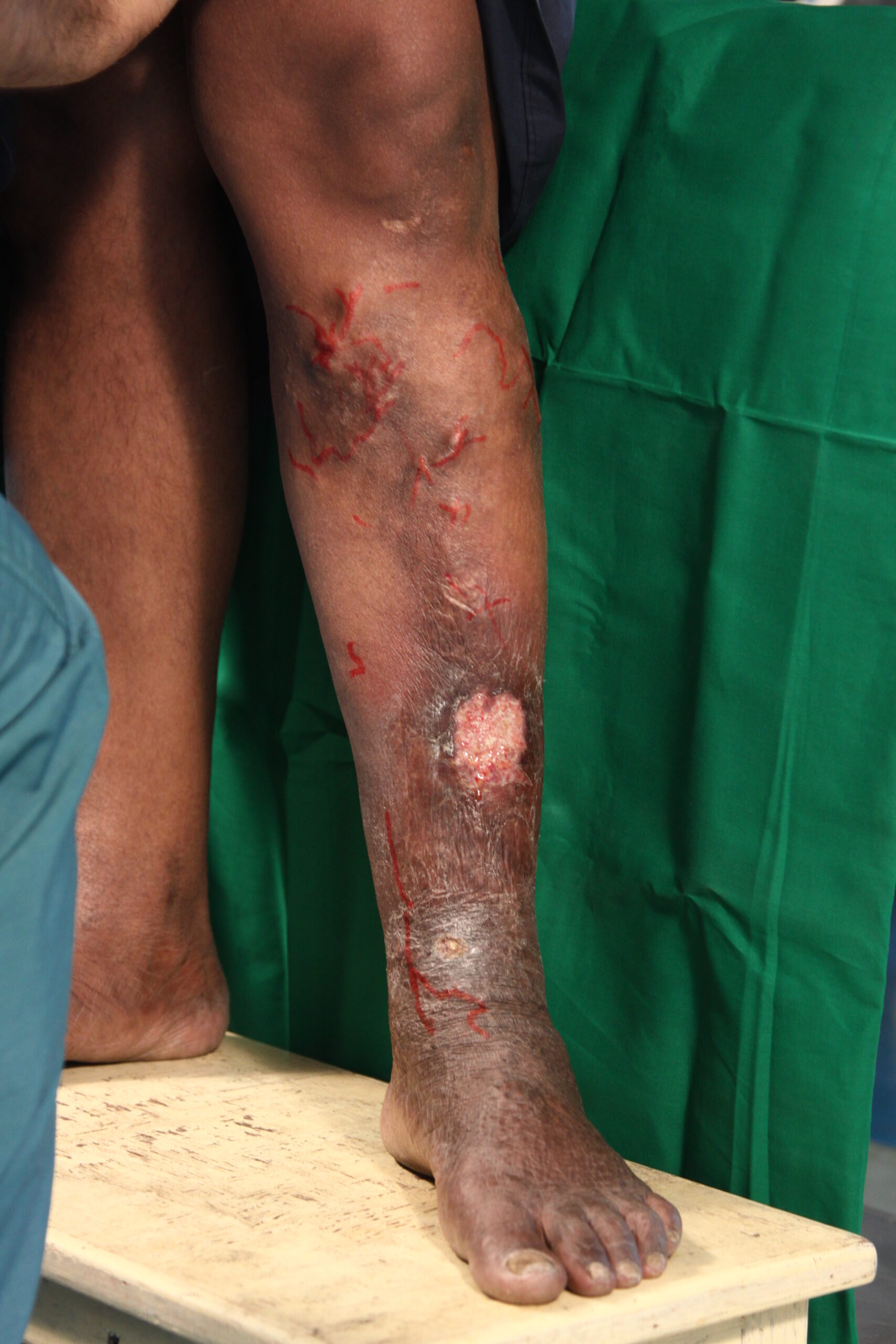
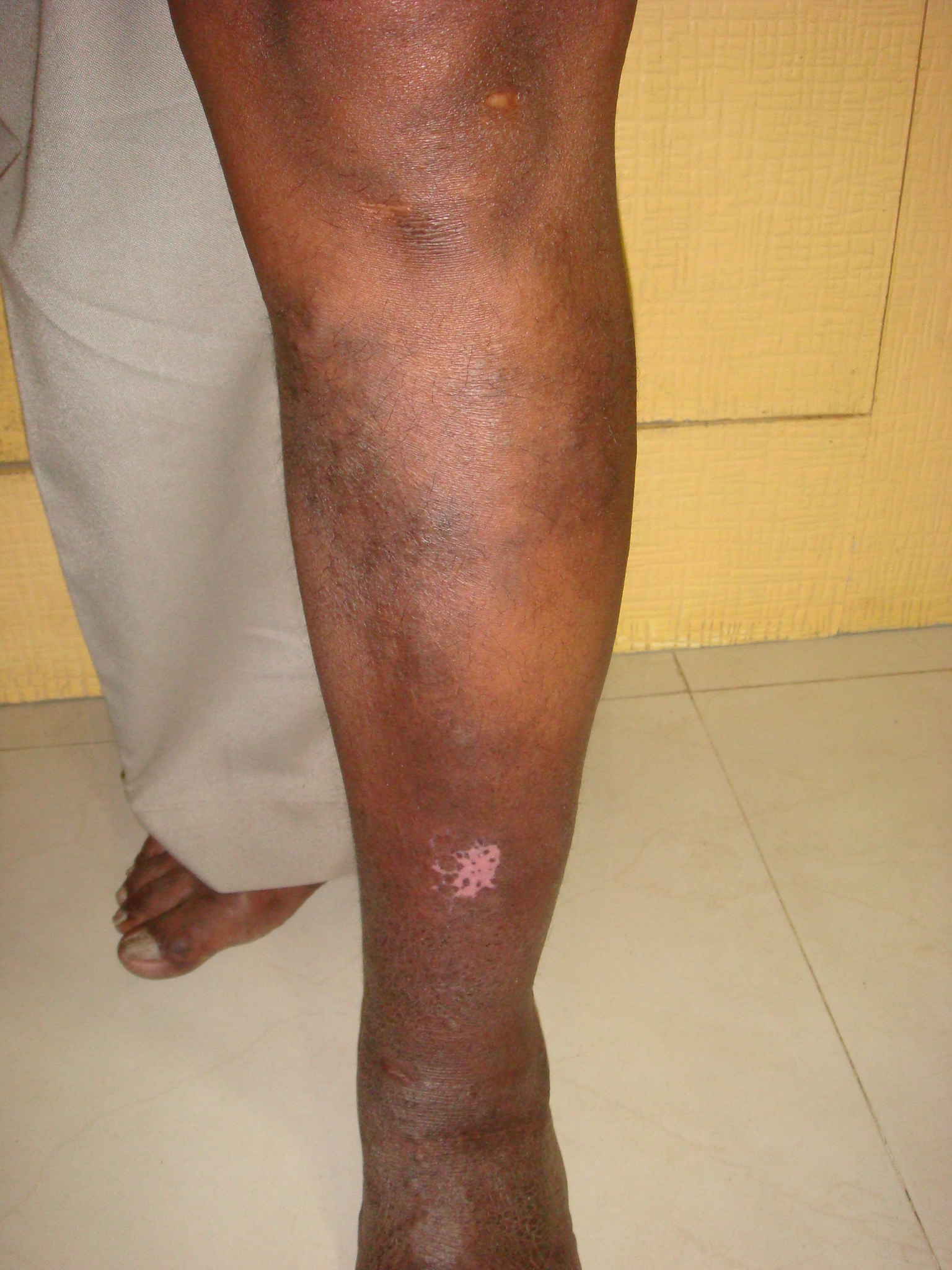
5-week non-healing leg ulcer with severe swelling and varicose veins. Treated successfully with laser vein closure, resulting in complete ulcer healing and restored circulation.
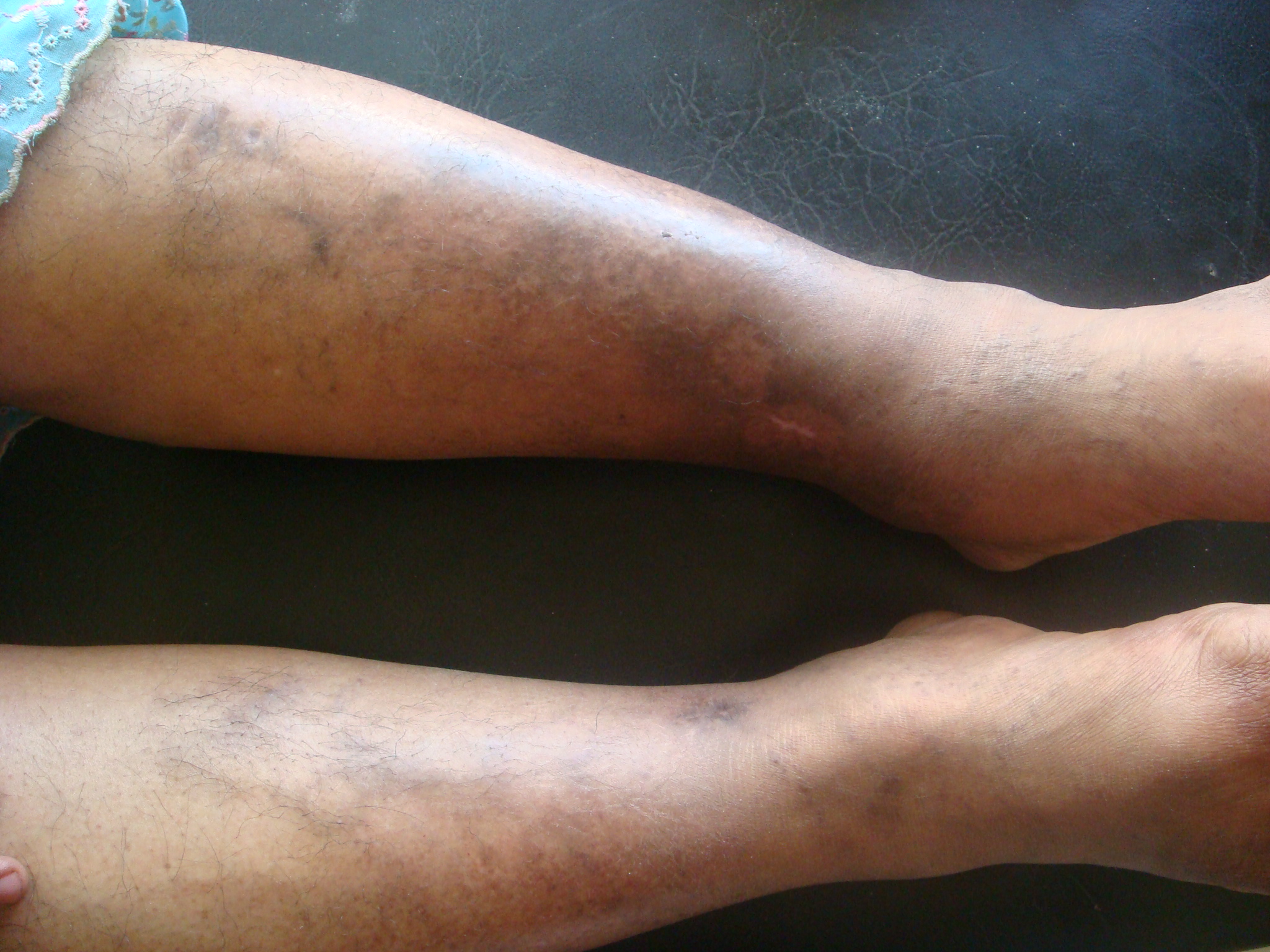 BEFORE
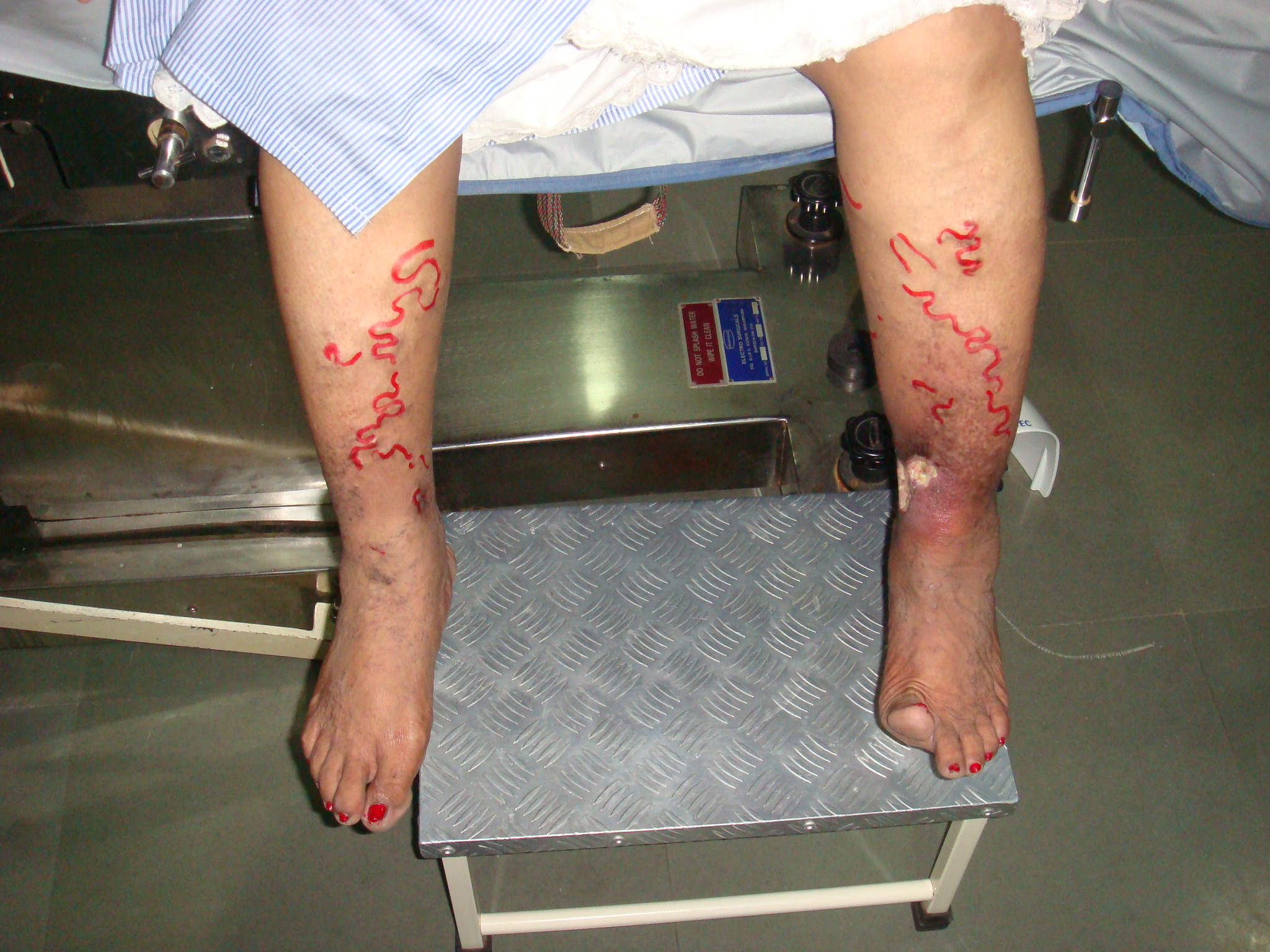 ✦ AFTER
Varicose Veins with Ulcer
Chronic varicose veins with an open ulcer. Treated with endovenous laser therapy, achieving full ulcer closure and visible reduction in vein prominence.
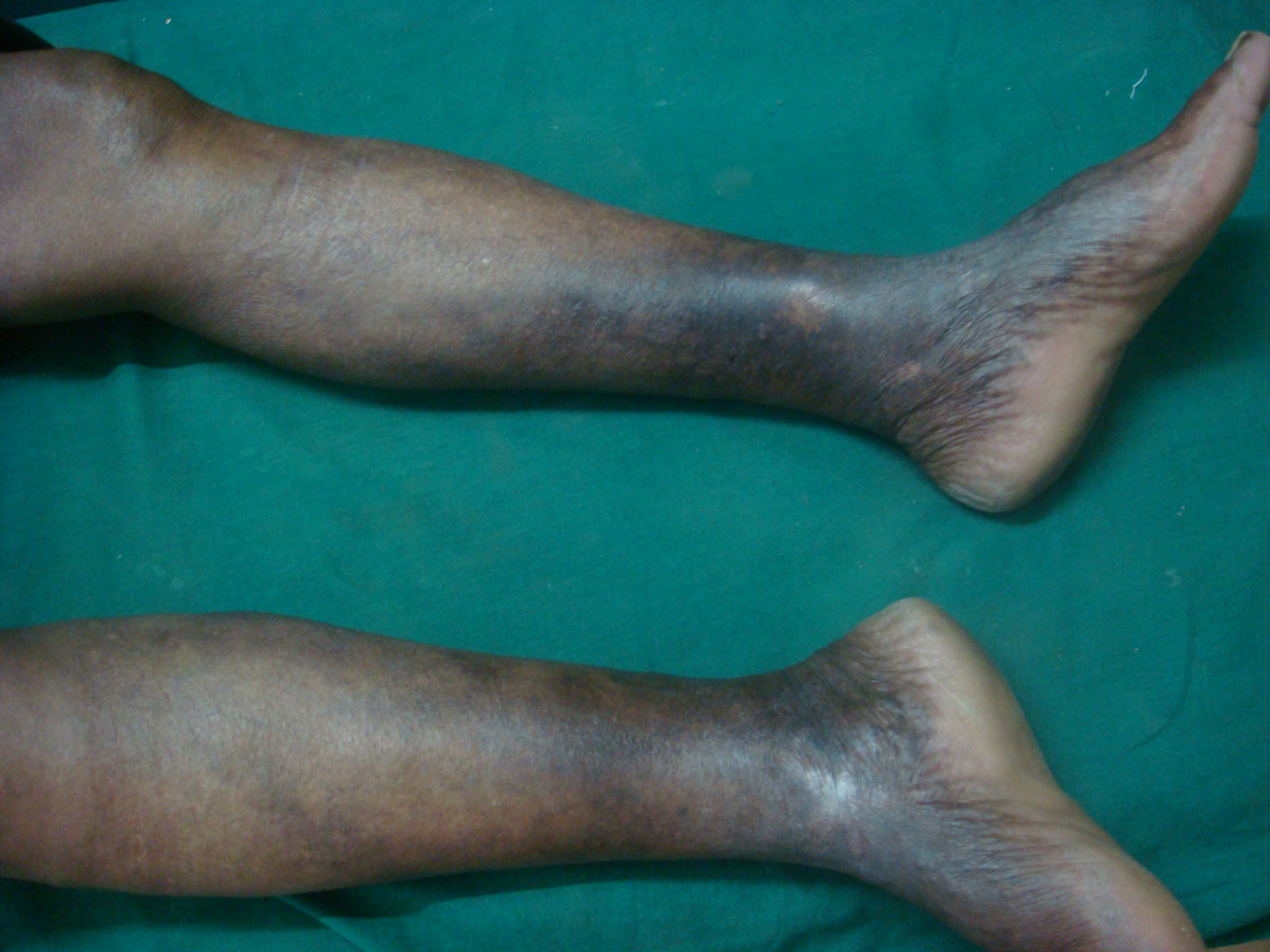 BEFORE
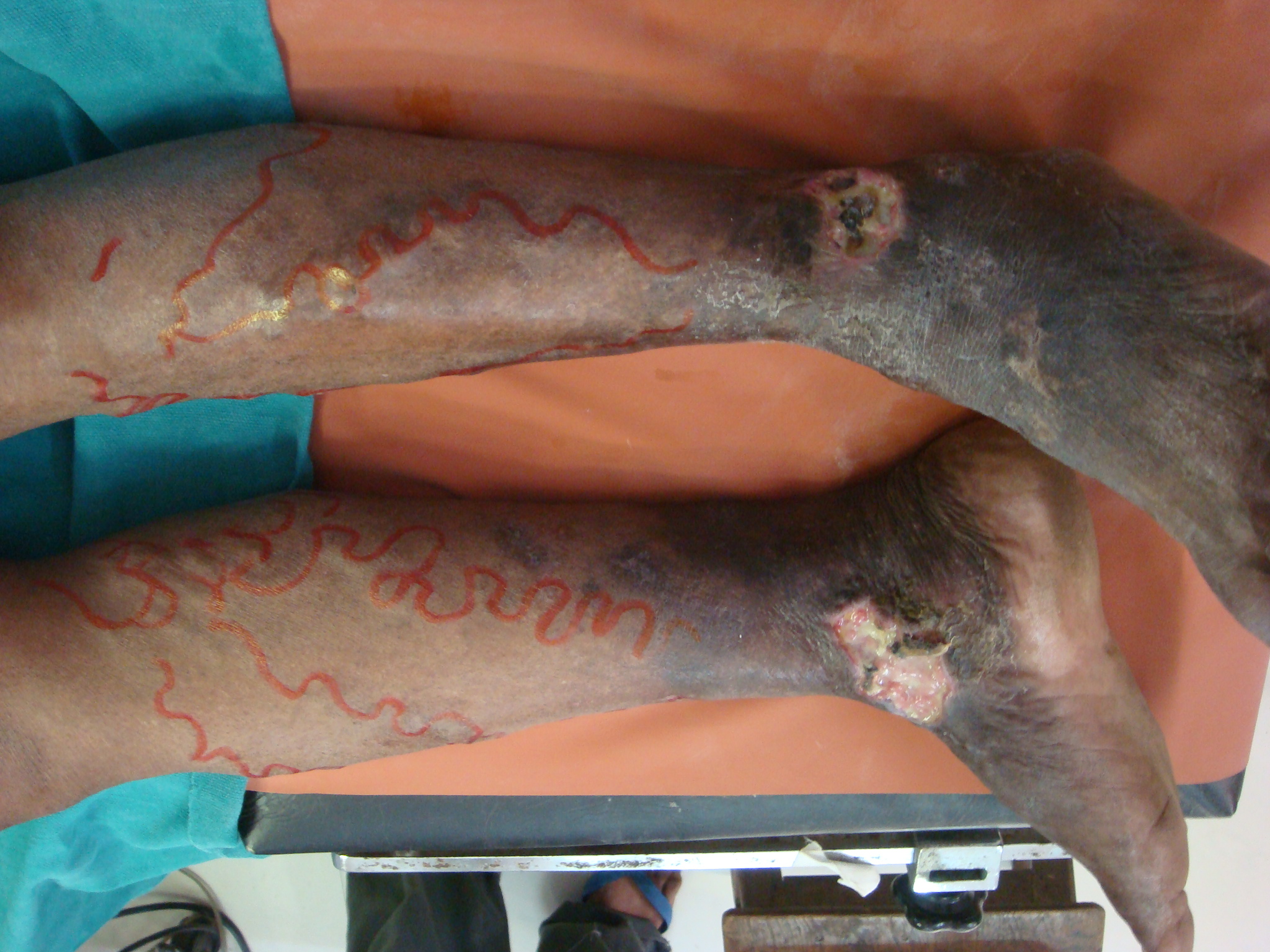 ✦ AFTER
Bilateral Varicose Veins with Leg Ulcer
Bilateral varicose veins with a persistent leg ulcer. Treated with laser therapy combined with sclerotherapy for complete healing and cosmetic improvement.
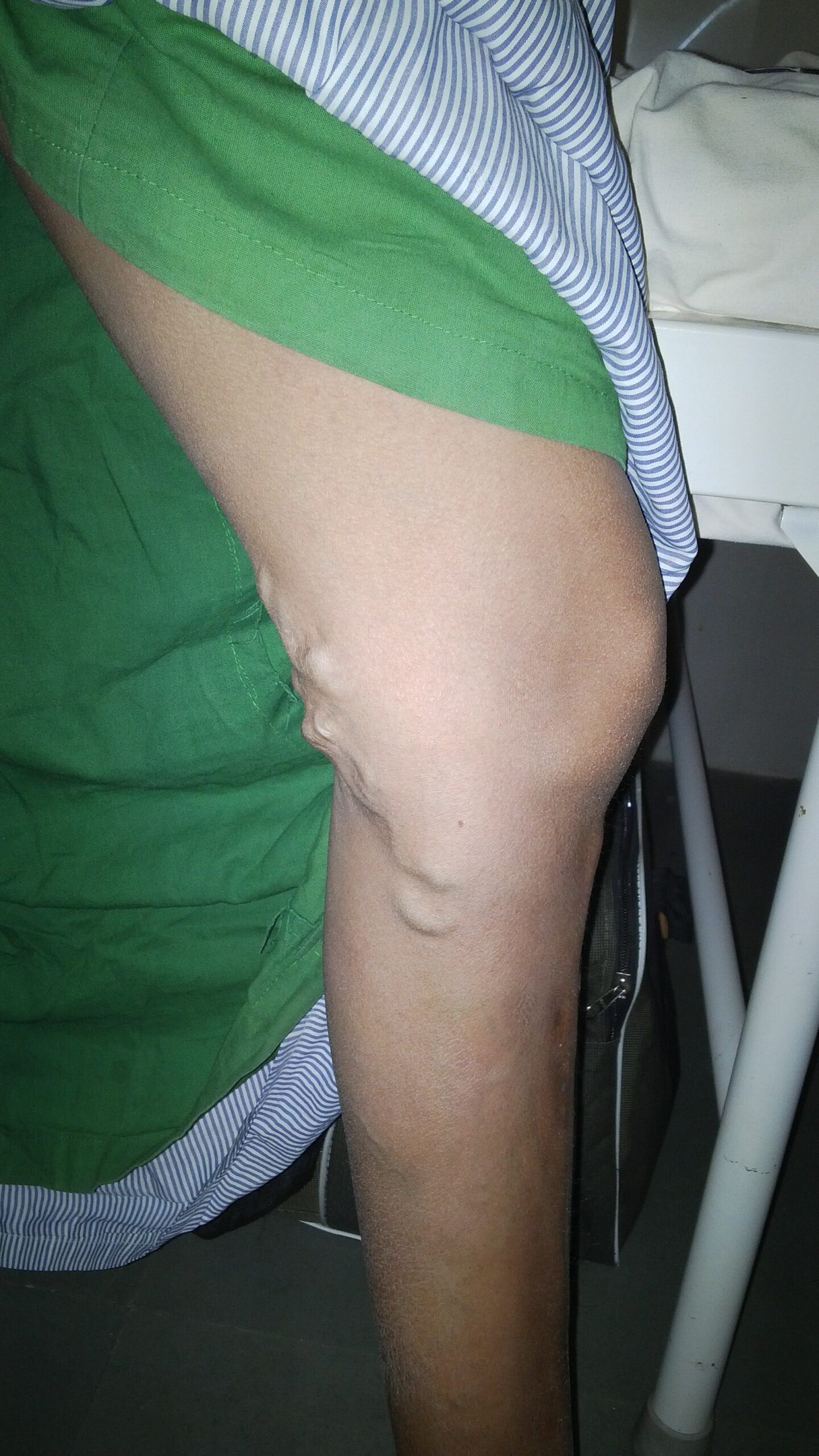 BEFORE
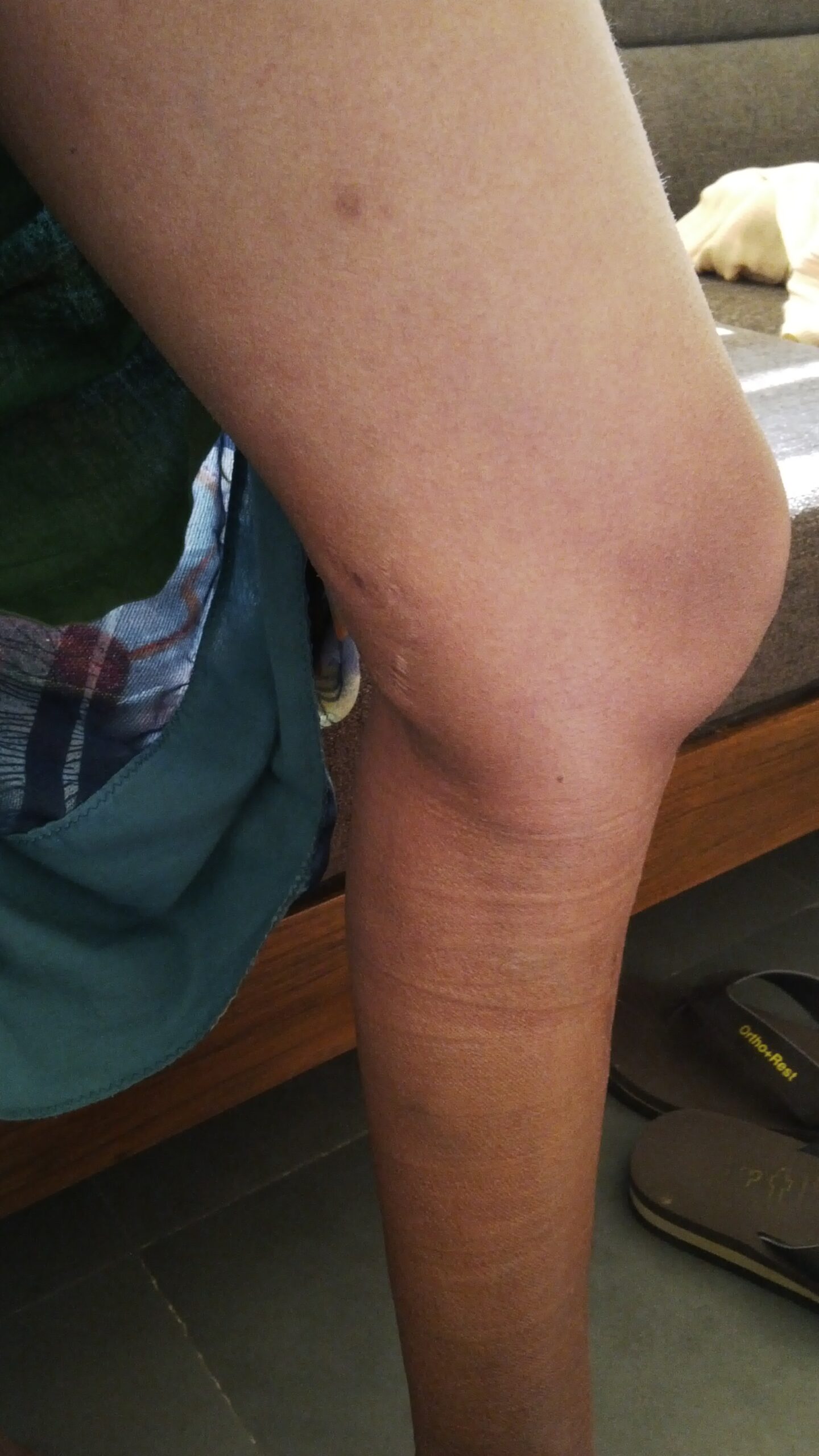 ✦ AFTER
Varicose Vein 1
BEFORE
✦ AFTERVaricose Vein 2
BEFORE
✦ AFTERVaricose Vein 3
Testimonials
Success stories and patient testimonials provide real-life insights into the effectiveness of these treatments under Dr. Kapadia’s care.




FAQs: Varicose Veins Treatment with Dr. Sumit Kapadia
The best treatment depends on the size, location, and severity of your veins. For larger veins, EVLT or RFA tends to give the most reliable results. For smaller spider veins, sclerotherapy works well. Dr Sumit Kapadia starts with a duplex ultrasound to understand your exact condition before recommending any procedure. You get a plan that actually suits your legs after expert consultation.
Modern varicose vein treatments are nothing like the old-style surgeries. Procedures such as laser, RFA and VenaSeal are performed under local anaesthetic. So, you are awake during the procedure but will feel little or no pain. Most patients report a mild pulling or warmth, but nothing sharp or unbearable. Usually, any soreness after the procedure is mild and can be managed with basic pain relievers.
Yes, you can definitely decrease and treat varicose veins. Early symptoms can be managed with lifestyle changes such as regular walks, compression stockings, and raising your legs. But when veins become visibly swollen or twisted, professional treatment is usually necessary to close them off permanently. Depending on your stage, Dr Kapadia has a number of options, from sclerotherapy for smaller veins to laser or glue-based treatments for larger veins.
Walking is one of the simplest things you can do for your leg veins. It activates the calf muscles, which act like a natural pump to push blood upward through your veins. Regular walks will not make existing varicose veins disappear, but they can ease symptoms like heaviness, swelling, and cramping. Dr Kapadia often recommends 20 to 30 minutes of walking daily as part of both prevention and post-treatment recovery.
If speed matters to you, procedures like EVLT, RFA, and VenaSeal are your best bet. These procedures are done in under an hour, and you can walk out the same day. VenaSeal in particular offers one of the quickest recoveries since it uses no heat and requires no compression stockings afterwards. But the right choice still depends on your scan results. Dr Kapadia will guide you toward the fastest option that is also the safest for your specific case.
There is no scientific evidence that homoeopathy can cure varicose veins. Varicose veins are caused by damaged valves inside the veins, and no oral medicine or topical remedy can repair those valves. Some people may feel temporary relief from symptoms, but the underlying problem remains. If your veins cause pain, swelling, or skin changes, consult a vascular specialist like Dr Kapadia for a proper evaluation and evidence-based treatment.
While lifestyle changes and self-care measures can help manage symptoms, professional medical treatment is often required to fix varicose veins. It’s advisable to consult with a specialist like Dr Kapadia for appropriate treatment.
Dr Kapadia removes varicose veins using minimally invasive techniques like laser therapy or RFA, where targeted energy is used to close off the affected veins.
Low-impact exercises like walking, swimming, and cycling are beneficial for varicose veins as they help improve blood flow without putting excessive pressure on the veins.
Foods high in salt and processed foods can worsen varicose veins. Dr Kapadia advises a balanced diet rich in fibre, fruits, and vegetables to manage the condition.
Essential oils like cypress, lavender, and peppermint may provide temporary relief. However, they are not a substitute for professional medical treatment.
Hydrating fluids like water and herbal teas are beneficial. Dr Kapadia emphasises staying hydrated as part of varicose veins treatment.
While many people live with varicose veins, they can lead to discomfort and potential complications. It’s recommended to seek medical advice to manage and treat the condition effectively.
Gentle massage may help alleviate discomfort, but it’s not a cure for varicose veins. Professional medical treatment is recommended for lasting relief.
Varicose Veins Treatment Videos
Varicose Veins Treatment Related Blogs
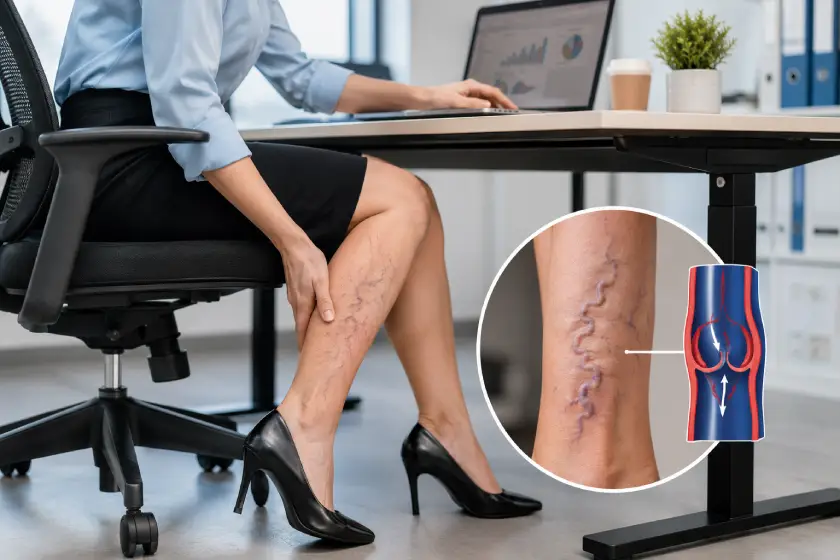
Why Office Workers Are at Higher Risk of Varicose Veins
Explore the causes of varicose veins in office workers and discover practical ways to improve leg circulation along with modern varicose veins treatment options.
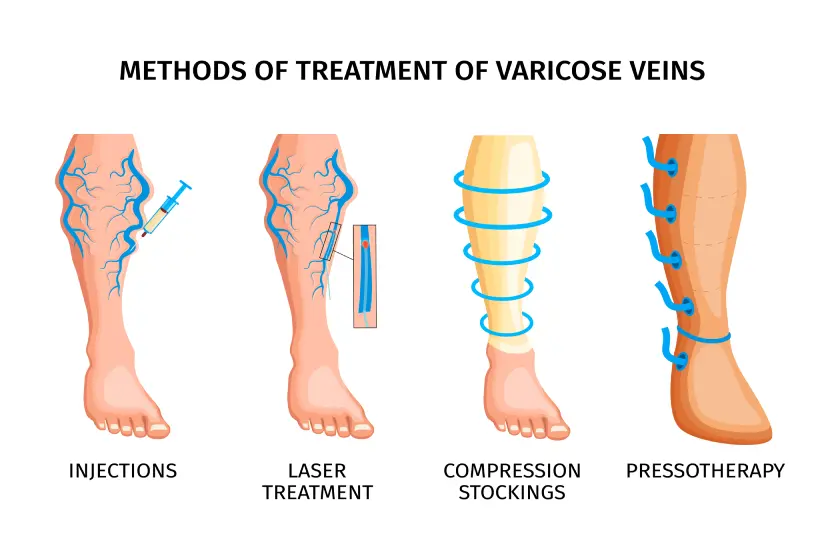
Varicose Veins Treatment in Vadodara: Laser, Glue & Non‑Surgical Options
Looking for varicose veins treatment in Vadodara? Explore laser treatment, glue therapy, and advanced non-surgical options for safe recovery.
The Hidden Problem of Varicose Veins: What You Need to Know
Varicose veins are more than a cosmetic issue. Learn the signs, risks, and medical treatment options to prevent complications and improve comfort.

Sclerotherapy: Treatment for Varicose and Spider Vein
Lymphedema is a condition in which fluid builds up in the soft tissues of your body because the lymphatic system is either blocked or damaged.