

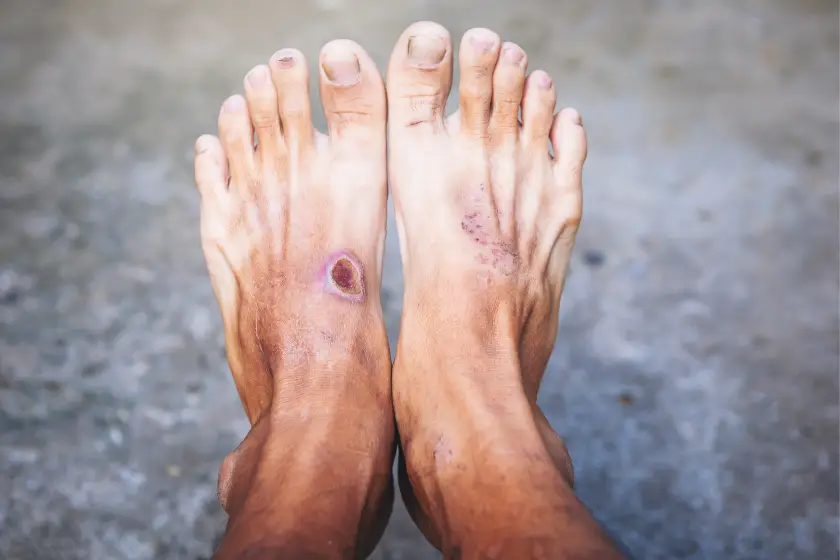
Monsoon brings relief from the heat, but for diabetic patients, it also brings a set of problems that are often underestimated.
During this season, doctors tend to see a noticeable increase in diabetic foot infections, skin damage, and worsening diabetic foot pain. The combination of moisture, damp footwear, and slower healing creates the perfect environment for complications to develop quietly.
What makes this more concerning is that many diabetic patients do not immediately notice small injuries. A minor cut, excessive moisture between the toes, or prolonged exposure to dirty rainwater can gradually turn into a serious foot infection due to diabetes.
This is why diabetic foot care becomes even more important during the rainy season.
Understanding the Link Between Diabetes and Foot Health
Diabetes affects blood circulation and nerve function over time. Because of this, the feet are often one of the first areas where complications begin to appear.
Reduced sensation means a patient may not notice pressure points, cuts, or small injuries. At the same time, poor circulation slows healing and reduces the body’s ability to fight infection effectively.
This combination is what makes diabetic foot complications difficult if ignored early.
Why Diabetic Foot Problems Increase During Monsoon
The monsoon season creates conditions that increase the risk of skin breakdown and infection, especially in diabetic patients.
Constant exposure to moisture softens the skin and weakens its natural protective barrier. Damp footwear and humidity also increase bacterial and fungal growth.
For someone without diabetes, these problems may settle quickly. In diabetic patients, however, even small issues can progress faster.
Increased Risk of Foot Infection Due to Diabetes
A foot infection due to diabetes can start from something very small.
Sometimes it begins with skin peeling between the toes. In other cases, it may be a tiny, unnoticed blister caused by wet footwear.
Because immunity and circulation may already be affected in diabetic patients, infections can spread more easily if treatment is delayed.
Why Diabetic Foot Pain May Feel Worse During Monsoon
Many patients report worsening diabetic foot pain during humid weather.
This may happen because swelling tends to increase during prolonged damp conditions. Existing nerve-related discomfort may also feel more noticeable when circulation is affected by inactivity during rainy days.
Patients who already have diabetic neuropathy often describe heaviness, burning, or increased sensitivity during this season.
Slow Healing of a Foot Cut Due to Diabetes
A foot cut due to diabetes should never be ignored, even if it looks minor initially.
Healing is often slower because diabetes affects the blood supply and tissue repair. If the wound remains wet or exposed to contaminated water, the risk of infection increases significantly.
This is one of the reasons why routine inspection of the feet becomes important during the monsoon.
How Rainwater and Humidity Increase the Risk of Foot Infection Due to Diabetes
Rainwater is not always clean, especially in flooded or muddy areas. Walking in wet footwear for long hours also traps moisture around the skin.
In diabetic patients, softened skin breaks down more easily. Small cracks or fungal infections between the toes may then become entry points for bacteria.
Humidity further worsens the problem because it keeps the feet moist for prolonged periods. This is why diabetic foot infections are seen more commonly during the rainy season.
Common Causes of Diabetic Foot Pain During the Rainy Season
There are several reasons why diabetic foot pain may worsen during the monsoon.
Prolonged dampness can irritate the skin and increase sensitivity. Reduced activity during rainy weather may also affect circulation.
In some patients, fungal infections or swelling contribute to discomfort. Improper footwear can make the situation worse by creating friction or pressure points.
Choosing the Right Footwear for Diabetic Patients During Monsoon
Selecting proper footwear for diabetic patients becomes especially important during the monsoon.
Footwear should protect the feet from rainwater while still allowing ventilation. Shoes that remain wet for long periods increase the risk of fungal infection and skin damage.
Footwear should also fit properly without causing friction. Tight footwear may create pressure points, while loose footwear increases the risk of injury.
Many patients make the mistake of walking barefoot indoors during the monsoon. In diabetic foot care, this should be avoided because even minor injuries can become problematic.
Routine Foot Care Habits That Help Prevent Monsoon Infections
Routine foot care plays a major role in preventing complications.
Feet should be washed gently and dried properly, especially between the toes. Moisture trapped in these areas increases the risk of fungal infection.
Daily inspection is equally important. Patients should look for redness, cuts, swelling, blisters, or changes in skin colour.
Nails should be trimmed carefully, and moisturizing creams may be used on dry skin, although not between the toes.
Simple habits may seem minor, but consistent routine foot care helps prevent many diabetic foot complications.
The Role of Effective Diabetes Management in Preventing Foot Complications
Good diabetes management directly affects foot health.
When blood sugar levels remain uncontrolled, healing becomes slower and the risk of infection increases. Stable sugar levels improve circulation and support tissue repair.
This is why diabetic foot treatment is not limited to wound care alone. Long-term diabetes management is equally important in preventing future complications.
When to Consult a Diabetic Foot Specialist
A diabetic foot specialist should be consulted if there is persistent pain, swelling, redness, discharge, or a wound that is not healing.
Patients should also seek medical attention if they notice blackening of the skin, foul smell, or increasing warmth in the foot.
Delaying treatment is one of the most common reasons why small diabetic foot problems become more serious later.
Conclusion
Monsoon season increases the risk of diabetic foot complications because moisture, humidity, and slower healing all work against proper foot health.
The good news is that many of these issues can be prevented with early attention, proper footwear, consistent routine foot care, and good diabetes management.
In diabetic patients, small foot problems should never be ignored, especially during the rainy season.
Frequently Asked Questions
Early signs include numbness, tingling, swelling, redness, burning sensations, skin changes, and wounds that heal slowly.
Moisture, humidity, wet footwear, and exposure to contaminated rainwater increase the risk of infection during the monsoon.
Redness, swelling, warmth, discharge, foul smell, or pain around a cut or wound may indicate infection.
Footwear should fit properly, protect from moisture, dry quickly, and avoid creating pressure or friction points.
Modern diabetic foot care may include advanced wound dressings, pressure offloading techniques, vascular assessment, and specialized wound management therapies.

Dr. Sumit Kapadia
MBBS, MS, MRCS, DNB-Fellow