

People with diabetes are up to 4 times more likely to develop PAD disease compared to non diabetic individuals, and many do not realize they have it until serious circulation problems begin affecting the legs and feet.
What makes peripheral artery disease especially dangerous in diabetic patients is that symptoms often appear late. By the time leg pain, foot wounds, or numbness become noticeable, blood flow may already be severely reduced.
The good news is that early diagnosis and proper vascular care can significantly improve outcomes. In this blog, we’ll explain how diabetes affects PAD treatment, why recovery becomes slower, and what patients can do to protect their circulation and long-term vascular health.
What Is PAD Disease and Why Does It Matter in Diabetic Patients
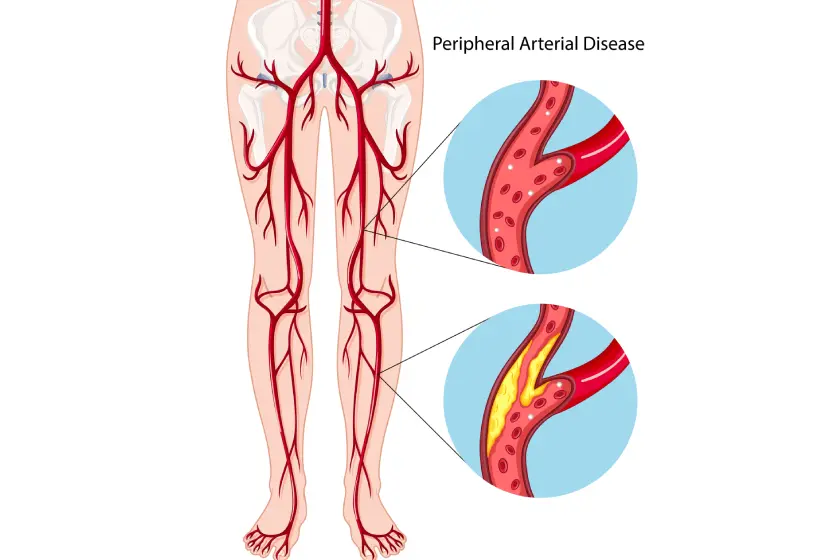
PAD disease, or peripheral artery disease, develops when fatty deposits gradually narrow the arteries supplying blood to the legs and feet. As circulation decreases, muscles and tissues receive less oxygen, especially during walking or physical activity.
In diabetic patients, this process happens faster and tends to affect smaller arteries below the knee. High blood sugar damages blood vessel walls over time, making them more vulnerable to plaque buildup and inflammation.
Diabetes also damages nerves, which means many patients do not feel early warning signs properly. A person may continue walking on an injured foot without realizing circulation has already become dangerously poor.
This combination of reduced blood flow and nerve damage is why diabetic patients face a much higher risk of ulcers, infections, gangrene, and even limb loss if PAD disease is left untreated.
The Link Between Diabetes and Blood Pressure in PAD Progression
Diabetes and blood pressure are closely connected when it comes to vascular disease progression.
High blood sugar damages the inner lining of arteries, while uncontrolled blood pressure places additional stress on already weakened blood vessels. Together, they accelerate plaque buildup and reduce circulation throughout the body.
Over time, arteries become narrower, stiffer, and less capable of delivering enough blood to the legs and feet. This is one of the main reasons diabetic patients often develop more severe PAD disease compared to non diabetic patients.
Poorly controlled diabetes and hypertension can also reduce the long-term success of vascular procedures because arteries continue deteriorating even after treatment.
Early Signs of PAD Disease You Should Not Ignore
One of the biggest problems with PAD disease is that symptoms often appear gradually. Many patients dismiss early circulation problems as aging, muscle fatigue, or diabetic nerve pain.
However, persistent calf pain while walking, slow-healing cuts, cold feet, or numbness should never be ignored in diabetic patients.
Some people also notice they can no longer comfortably walk the same distance without stopping due to leg discomfort or heaviness. These symptoms may indicate that circulation is already becoming compromised. This is called intermittent claudication.
Common PAD Symptoms in Feet and Legs
PAD symptoms in the feet and legs can range from mild discomfort to severe pain, depending on how much blood flow has been reduced.
Many patients experience burning sensations in the feet, calf cramping, leg heaviness, or pain when climbing stairs. In more advanced cases, the toes may become discolored, wounds may fail to heal properly, and pain may occur even while resting.
Diabetic patients often present later because nerve damage reduces pain sensation. By the time symptoms become obvious, circulation may already be critically reduced.
How Diabetes Affects PAD Treatment Outcomes
Diabetes affects nearly every stage of PAD treatment and recovery.
The arteries in diabetic patients are often smaller, more calcified, and more diffusely diseased, which makes procedures technically more difficult. Blood vessels also tend to heal less efficiently after intervention.
Even when circulation is successfully restored, diabetic patients still face a higher risk of delayed healing, recurrent narrowing, infection, and repeat procedures.
One major reason is that high blood sugar weakens the body’s natural repair mechanisms. It affects immune function, increases inflammation, and reduces oxygen delivery to tissues.
As a result, recovery after vascular treatment is usually slower in diabetics compared to non diabetic patients. This is especially important in patients with foot ulcers or severe circulation problems, where tissue healing becomes critical.
Challenges in PAD Legs Treatment for Diabetic Patients
PAD leg treatment becomes more complicated when diabetes has already caused long-standing damage to blood vessels and nerves.
Many diabetic patients do not seek treatment early because symptoms may be less noticeable. By the time circulation problems are diagnosed, they may already have non-healing wounds, severe infections, or tissue damage.
Another challenge is that diabetic PAD often affects multiple arteries at the same time, especially in the lower legs and feet. This makes restoring blood flow more complex.
Treatment decisions must also consider other health conditions commonly associated with diabetes, including kidney disease, heart disease, and neuropathy.
Non-Surgical PAD Treatment Options and Their Effectiveness
Not every patient with PAD disease immediately requires PAD surgery.
In the early and moderate stages, doctors often begin with non-surgical treatments aimed at improving circulation and slowing disease progression.
This usually includes strict blood sugar control, cholesterol management, blood pressure treatment, smoking cessation, walking exercise programs, and medications that improve blood flow.
Minimally invasive vascular procedures may also be recommended before open surgery becomes necessary. These treatments can include balloon angioplasty, stenting, atherectomy, intravascular lithotripsy, and laser treatment for PAD, depending on the location and severity of arterial blockage.
When diagnosed early, these procedures can significantly improve circulation and lower the risk of major complications.
PAD Treatment Guidelines for Diabetic Patients
Modern PAD treatment guidelines strongly emphasize early diagnosis and aggressive risk factor control in diabetic patients.
The primary goal is not only restoring blood flow but also preventing ulcers, infections, and limb-threatening complications.
Most diabetic PAD patients require a combination of medical therapy, lifestyle changes, foot care monitoring, and vascular follow-up. Blood sugar control remains one of the most important parts of long-term treatment success.
Routine foot examinations are also critical because small wounds can quickly become dangerous when circulation is poor.
Doctors often recommend regular vascular imaging and circulation testing in high-risk diabetic patients, especially those with a previous ulcer or smoking history.
If non surgical techniques are not feasible or there is re-occlusion after these interventions, then the vascular surgeons often have to respond to surgical bypass of the leg. These bypasses can be done from the femoral artery to the popliteal or the tibial arteries, in which case there called as femoro distal bypass.
Recovery After PAD Treatment: Why Diabetes Slows Healing
Recovery after PAD treatment depends heavily on how effectively tissues receive oxygen and nutrients through the bloodstream.
Diabetes interferes with this process at multiple levels.
High blood sugar damages small blood vessels, weakens immune response, increases inflammation, and slows the body’s ability to repair injured tissue. Even minor wounds may take significantly longer to heal.
This becomes especially dangerous in patients with diabetic foot ulcers because poor circulation increases infection risk while reduced sensation delays early detection.
Many diabetic patients recovering after PAD treatment require longer wound care, closer monitoring, and stricter follow-up compared to non diabetic patients.
Tips to Improve Recovery Outcomes in Diabetic PAD Patients
Recovery outcomes improve significantly when diabetic patients actively manage their vascular health after treatment.
Strict blood sugar control is one of the most important factors because uncontrolled diabetes continues to damage blood vessels even after circulation improves.
Patients who stop smoking, stay physically active, attend follow-up appointments regularly, and monitor their feet daily generally experience better healing and lower complication rates.
Even simple habits like wearing proper footwear and seeking early treatment for small wounds can make a major difference in preventing serious complications later.
When to Consult a Specialist for PAD Symptoms
Many diabetic patients delay seeking medical attention because symptoms appear slowly or seem minor initially.
However, persistent leg pain while walking, numbness, foot discoloration, cold feet, or wounds that do not heal should always be evaluated by a vascular specialist.
Early diagnosis often allows doctors to improve circulation before irreversible tissue damage develops.
Waiting too long can increase the risk of infection, gangrene, and limb loss, especially in diabetic patients with advanced PAD disease.
Conclusion
PAD disease becomes far more dangerous when combined with diabetes because reduced circulation and impaired healing create the perfect conditions for serious complications.
While modern PAD treatment options can successfully restore blood flow, recovery outcomes depend heavily on long-term diabetes control and early intervention. Even the most advanced vascular procedures cannot fully protect blood vessels if blood sugar, blood pressure, and lifestyle risk factors remain uncontrolled.
The most important step for diabetic patients is recognizing circulation symptoms early and seeking treatment before wounds, infections, or tissue damage become severe.
Frequently Asked Questions
Laser treatment for PAD uses laser-assisted technology to break down plaque inside blocked arteries and improve blood flow in diabetic patients with severe circulation problems.
Common symptoms include foot pain, numbness, cold feet, burning sensation, ulcers, and discoloration. Treatment may involve medications, lifestyle changes, angioplasty, stenting, or surgery, depending on severity.
Poor circulation may cause calf pain while walking, cramping, numbness, swelling, cold feet, skin discoloration, and slow-healing wounds.
Strict blood sugar control, smoking cessation, regular walking, foot care monitoring, medication adherence, and routine vascular follow-up can significantly improve recovery outcomes.
PAD surgery may become necessary when blood flow is severely reduced, wounds fail to heal, pain occurs even at rest, or there is a risk of tissue loss or amputation.

Dr. Sumit Kapadia
MBBS, MS, MRCS, DNB-Fellow