

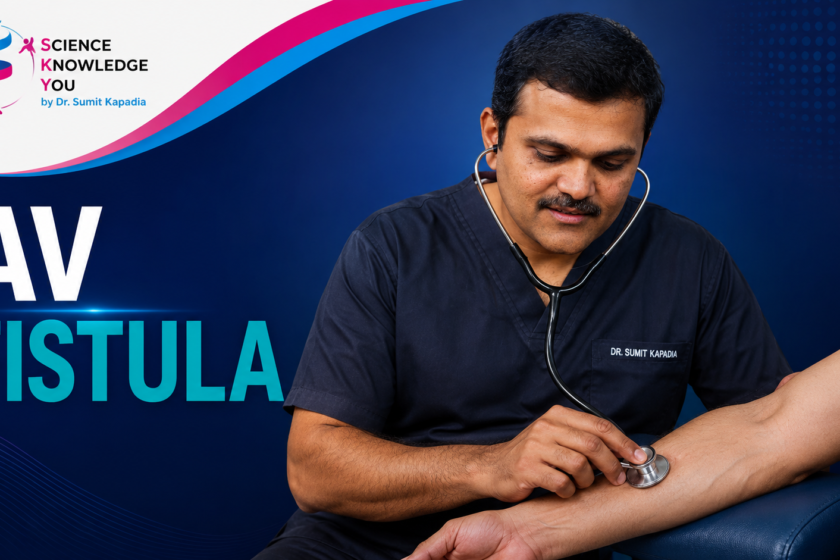
Brachiocephalic fistula is one of the safest, longest-lasting ways to connect you to a dialysis machine when your kidneys can no longer clean your blood. To make one, a surgeon gently joins an artery to a nearby vein in your upper arm, so that blood can move quickly enough for dialysis to work well.
Also, since it is built from your own vein rather than a plastic tube, it usually lasts longer and causes fewer problems, such as infection, than a graft or a temporary line. In the guide below, we walk you through how it works, what to expect, who it suits, and how to look after it well.
Key Takeaways
- A brachiocephalic fistula joins the brachial artery to the cephalic vein in the upper arm to provide access for dialysis.
- It is preferred because it is durable and made entirely from your own vessels.
- Key benefits include strong blood flow, long-term patency, and a lower risk of infection.
- Possible risks include clotting, steal syndrome, aneurysm, and failure to mature.
- Success rates are high once the fistula matures, and consistent care helps protect it.
What Is a Brachiocephalic Fistula?
A brachiocephalic fistula is a small, permanent joint between an artery and a vein that a surgeon makes in your upper arm, just above the bend of the elbow. Doctors also call it a brachiocephalic AV fistula because it sits high on the arm.
The artery carries blood under strong pressure, so linking it to the vein pushes far more blood through than usual, and dialysis relies on that fast, steady flow to clean your blood well and safely. Since the vein up here is wider, this join often works well even for people whose wrist would not be suitable.
How Does a Brachiocephalic AV Fistula Work?
After surgery, the vein gradually thickens and widens in a process called maturation, which usually takes several weeks to a few months. As the vein grows stronger and larger, it becomes easier to needle and can deliver the flow needed for effective, repeated dialysis sessions.
Who Needs a Brachiocephalic Fistula for Dialysis?
A brachiocephalic fistula is typically recommended for people with advanced chronic kidney disease (CKD) or end-stage kidney disease (ESKD) who will depend on long-term hemodialysis. When kidney function falls to this level, planning access early gives the fistula time to mature before dialysis is needed. To see a step-by-step breakdown of how access is created, check out this video.
Surgeons generally favour this option over temporary dialysis catheters whenever the arm’s anatomy allows. This is because catheters are linked to noticeably higher rates of infection and other serious complications.
Benefits of a Brachiocephalic Fistula
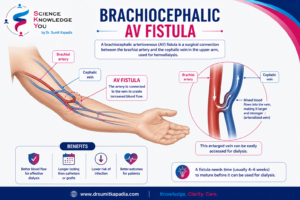
Several advantages make the brachiocephalic fistula a durable, dependable choice for dialysis access.
- Better Blood Flow for Dialysis: Its high, steady blood flow supports efficient filtering during every session.
- Higher Long-Term Patency: Fistulas tend to stay open and usable far longer than grafts or catheters, often for many years.
- Lower Risk of Infection: Its formation from your own tissue provides greater protection against infection than synthetic access options.
- Reduced Risk of Blood Clots: Natural vessels are also less prone to clotting, which adds to the fistula’s durability and reliability.
- Easier Needle Access: Its relatively superficial position in the arm makes repeated needling more straightforward for dialysis staff.
Risks and Possible Complications of a Brachiocephalic Fistula
Complications are uncommon, and many can be prevented through regular monitoring, but patients should recognise the following warning signs.
- Infection: Redness, warmth, swelling, or discharge around the site needs prompt medical review.
- Blood Clot Formation: A blood clot can weaken or stop the thrill; a missing or faint buzz should be reported the same day.
- Steal Syndrome: If too much blood is diverted from the hand, it may feel cold, pale, numb, or painful, and requires assessment.
- Aneurysm Formation: Repeated needling can create a bulge in the vein; rapid enlargement or thinning skin over it should be checked.
- Failure to Mature: Occasionally the vein does not develop enough to be used; diabetes and small vessels raise this risk.
Brachiocephalic Fistula Success Rates and Long-Term Outcomes
Once a brachiocephalic fistula matures properly, its success and long-term patency rates are generally high. Several factors shape the outcome, including the quality of the blood vessels, the surgical technique used, and the patient’s overall health.
Conditions such as diabetes and habits such as smoking can slow maturation and shorten the fistula’s working life, whereas regular follow-up helps detect and treat problems early. Your care team can best assess your individual outlook, as fistula outcomes vary person-to-person.
How to Care for a Brachiocephalic Fistula After Surgery
Good aftercare protects your access and helps it last:
- Keep the incision clean and dry while it heals.
- Feel for the thrill, a gentle buzzing sensation, each day to confirm blood is flowing.
- Avoid heavy lifting with that arm during the early weeks.
- Do not let anyone take blood pressure or draw blood from the fistula arm.
- Perform any fistula-strengthening exercises your team advises.
- Attend all follow-up appointments, and report swelling, redness, pain, or an absent thrill at once.
When Should You Contact Your Doctor?
Contact your dialysis team or seek urgent care if you notice any of the following warning signs:
- No thrill or vibration
- Severe swelling
- Fever
- Persistent bleeding
- Cold or pale hand
- Increasing pain
- Difficulty during dialysis sessions
Acting quickly can often save access and prevent more serious harm. Want to learn more about treatment options? Check out this video to see how vascular surgeons can reopen a blocked AV fistula.
Conclusion
For many people who need long-term dialysis, the brachiocephalic fistula remains one of the most reliable forms of vascular access. Better and more lasting results are obtained by careful surgical planning, meticulous care of the fistula and regular follow-up.
For anyone considering dialysis, it is necessary to consult with a nephrologist or vascular surgeon. A nephrologist or vascular surgeon can assess your blood vessels and help you decide on the access that suits your health and lifestyle best.
Frequently Asked Questions
A brachiocephalic fistula typically takes 4 to 8 weeks to mature, though some may require up to 3 months. During this time, high-pressure arterial blood flows into the vein, causing it to thicken and enlarge so it can safely support repeated hemodialysis needles and achieve the high blood flow required for effective treatment.
Yes, a brachiocephalic fistula is significantly better than a temporary dialysis catheter. Because it uses your own natural blood vessels rather than synthetic tubing, it carries a much lower risk of serious infections and blood clots. It also provides superior blood flow, lasts much longer, and offers a better overall quality of life.
A well-maintained brachiocephalic fistula can last for many years, often 3 to 5 years or even longer. Located in the upper arm where blood vessels are naturally larger, it generally boasts higher long-term patency rates than wrist fistulas, synthetic grafts, or catheters, provided it is properly cared for.
Yes, a brachiocephalic fistula can fail. Failure can occur early if the vein fails to mature adequately, or later due to blood clots (thrombosis), narrowing of the vessel (stenosis), or infection. Regular daily monitoring and routine follow-ups with your care team help detect and correct these issues before complete access loss occurs.
Check for the “thrill” (vibration) daily. Keep the site clean and avoid heavy lifting with that arm. Never allow blood pressure readings, blood draws, or IV lines on your fistula arm. Avoid wearing tight clothing or jewellery, don’t sleep on the arm, and report swelling, redness, pain, or a missing thrill immediately.

Dr. Sumit Kapadia
MBBS, MS, MRCS, DNB-Fellow