

More than 80% of long term dialysis patients worldwide use an AV fistula because it is considered the safest and most reliable dialysis access option. But while AV fistulas are highly successful, recovery after surgery is not always completely smooth.
Some patients experience swelling, pain, bruising, poor blood flow, or delayed fistula maturation during the healing period. In certain cases, complications such as infection or clotting may affect how well the fistula functions for dialysis.
The good news is that most problems after AV fistula surgery can be identified early and managed successfully with proper care and monitoring.
In this blog, we’ll explain the most common complications of AV fistula, warning signs to watch for, essential aftercare tips, and how patients can protect their fistula for long-term dialysis success.
What Is an AV Fistula and Why Is It the Most Common Choice for Dialysis
An AV fistula, or arteriovenous fistula, is a surgically created connection between an artery and a vein, usually in the arm. This connection allows more blood to flow into the vein, causing it to become larger and stronger over time.
The enlarged vein can then handle the repeated needle insertions required during dialysis treatment.
An AV fistula is considered the most common AV fistula access for dialysis because it generally lasts longer and has lower infection risk compared to dialysis catheters or synthetic grafts.
Doctors usually prefer AV fistulas because they provide:
- Better blood flow for dialysis
- Lower risk of infection
- Reduced clotting risk
- Longer durability
- Improved dialysis efficiency
However, the fistula requires time to mature properly before it can be used for dialysis sessions.
AV Fistula Surgery Steps and Procedure Insights
The AV fistula surgery steps usually begin with evaluating blood vessels using ultrasound to identify the best artery and vein for the procedure.
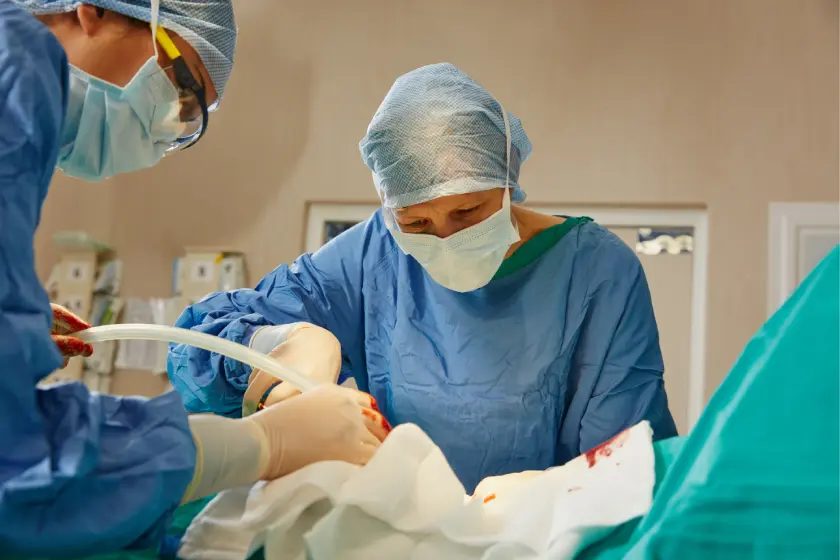
During surgery, the vascular surgeon connects a vein directly to a nearby artery. This is commonly done in the forearm or upper arm under local or regional anesthesia.
Once connected, the increased blood flow gradually enlarges the vein over the next several weeks. This process is known as fistula maturation.
Most patients return home the same day after surgery, but careful monitoring during recovery is essential to ensure the fistula develops properly.
Common Problems After AV Fistula Surgery You Should Know
Although AV fistulas are highly effective, complications can still occur during healing or later during dialysis use.
Some problems are mild and temporary, while others require urgent medical attention.
Early recognition is extremely important because untreated fistula complications may lead to fistula failure.
Pain, Swelling, and Bruising After AV Fistula Surgery
Mild pain, swelling, and bruising are among the most common symptoms after surgery.
The arm may feel sore or tight for several days because tissues are healing around the newly created fistula. Bruising around the incision site is also common and usually improves gradually.
However, severe swelling, worsening pain, or excessive tightness should not be ignored because these symptoms may indicate bleeding, infection, or circulation problems.
Keeping the arm elevated and avoiding heavy lifting can help reduce swelling during the early recovery period.
Infection Risks and Prevention After AV Fistula Surgery
Although AV fistulas have a lower infection risk than dialysis catheters, infections can still occur if the surgical site is not cared for properly.
Symptoms of infection may include redness, warmth, fever, pus discharge, or increasing pain around the fistula site.
Patients with diabetes or weakened immunity may have a higher risk of infection after surgery.
Keeping the area clean and following proper AV fistula surgery aftercare instructions significantly lowers the risk.
Clotting and Reduced Blood Flow in AV Fistula
Clotting is one of the most common complications of AV fistula and can seriously affect dialysis access function.
If blood flow becomes reduced, the fistula may stop working effectively for dialysis.
Patients may notice that the buzzing sensation over the fistula becomes weaker or disappears completely. The arm may also feel colder or more swollen than usual.
Reduced blood flow requires urgent evaluation because delayed treatment can permanently damage the fistula.
Fistula Failure or Poor Blood Flow Issues
Sometimes the fistula does not mature properly or fails to provide enough blood flow for dialysis even after healing.
This may happen because of narrow blood vessels, clotting, poor vein quality, or underlying circulation problems.
Patients with diabetes, low blood pressure, or advanced vascular disease may face a higher risk of fistula maturation failure.
In some cases, additional vascular procedures may be required to improve blood flow and preserve the fistula.
AV Fistula Surgery Aftercare: Essential Tips for Faster Healing
Proper AV fistula surgery aftercare plays a major role in long-term fistula success.
Patients are usually advised to keep the surgical site clean and dry during early healing. Gentle hand and arm exercises may also be recommended to improve fistula maturation by strengthening blood flow through the vein.
Doctors often encourage patients to feel the fistula daily for the vibration or buzzing sensation known as the thrill. This helps confirm that blood is flowing properly through the fistula.
Protecting the arm from injury is equally important during recovery.
Patients should also attend all follow-up appointments because vascular specialists monitor fistula development closely before dialysis use begins.
Precautions After AV Fistula Surgery to Prevent Complications
Following proper precautions after AV fistula surgery helps lower the risk of infection, clotting, and fistula damage.
Patients should avoid sleeping on the fistula arm or wearing tight clothing and jewelry that may reduce circulation. Blood pressure checks, injections, and blood draws should also be avoided on the fistula arm whenever possible.
Heavy lifting during early healing should be restricted because excessive strain may interfere with fistula maturation.
Maintaining good hygiene and monitoring the fistula daily are extremely important parts of long-term care.
Smoking cessation is also strongly recommended because smoking damages blood vessels and increases clotting risk.
Monitoring and Maintaining AV Fistula Functionality
An AV fistula requires ongoing monitoring even after it begins functioning properly for dialysis.
Changes in blood flow can develop gradually over time, especially in patients with diabetes or vascular disease.
Regular examination helps detect narrowing, clotting, or circulation problems before complete fistula failure occurs.
Dialysis staff and vascular specialists may monitor:
- Blood flow rates
- Thrill and bruit quality
- Arm swelling
- Skin condition
- Dialysis efficiency
- Needle insertion difficulty
When to Consult a Specialist After AV Fistula Surgery
Some symptoms after AV fistula surgery require immediate medical attention.
Patients should contact their doctor if they notice severe pain, increasing swelling, redness, bleeding, fever, loss of thrill sensation, hand numbness, or sudden changes in arm color.
Moreover, difficulty during dialysis sessions may also indicate developing fistula problems.
How to Check If Your AV Fistula Is Working Properly
Patients play an important role in monitoring fistula health at home.
A healthy AV fistula usually produces a gentle buzzing or vibration sensation called a thrill. This can be felt by lightly placing fingers over the fistula site.
Doctors may also listen to the blood flow sound, known as a bruit, using a stethoscope.
If the thrill suddenly weakens, disappears, or changes significantly, patients should seek medical evaluation immediately.
The arm should also remain warm with normal skin color and circulation.
Daily self-monitoring helps identify problems early before dialysis access becomes compromised.
Conclusion
An AV fistula remains the preferred dialysis access option because it provides better long-term reliability, lower infection risk, and improved dialysis efficiency compared to many alternatives.
However, successful outcomes depend heavily on proper recovery, careful monitoring, and early recognition of complications after surgery.
Problems such as swelling, infection, clotting, or reduced blood flow should never be ignored because timely treatment can often save the fistula before permanent damage occurs.
Patients who follow proper AV fistula surgery aftercare instructions, protect the fistula arm, and attend regular follow-up appointments usually experience better long-term dialysis outcomes and fewer complications.
Frequently Asked Questions
Early signs may include swelling, redness, pain, reduced buzzing sensation, hand numbness, bleeding, fever, or difficulty during dialysis sessions.
AV fistula surgery generally has high success rates, but risks may include infection, clotting, bleeding, poor maturation, or reduced blood flow.
The radiocephalic fistula created near the wrist is one of the most common AV fistula types used for dialysis access.
A blocked fistula may lose its buzzing sensation, feel cold, appear swollen, or cause difficulty during dialysis treatments.
Patients should avoid heavy lifting, pressure on the fistula arm, blood pressure checks on that arm, smoking, and poor hygiene during recovery.

Dr. Sumit Kapadia
MBBS, MS, MRCS, DNB-Fellow