


We have often heard these two terms being used interchangeably by patients as well as doctors. Even though these words sound similar, let us understand the differences between these 2 terms:
What is Peripheral vascular disease (PVD)?
Peripheral Vascular Disease (PVD) is a larger term that describes many vascular or circulation problems and conditions. These diseases can affect arteries (which bring blood from heart to periphery), veins (bringing impure blood from peripheries to the heart), or lymphatics.
What is Peripheral arterial disease (PAD)?
Peripheral arterial disease (PAD) is the term used to describe the specific disease affecting arteries, most commonly the leg arteries.
What causes Peripheral arterial disease (PAD)?
PAD can occur due to the following causes, from which the commonest is atherosclerosis.
- Atherosclerosis
- Thrombosis
- Embolism
- Vasculits
- Buerger’s disease
What is atherosclerotic plaque?
The accumulation of a fatty sticky substance to the inner surfaces of arteries along with deposition of calcium is called as a plaque. This condition, medically called as atherosclerosis also leads to hardening of the arteries.
Beyond 50 %, these plaques can result in narrowing and reduced blood circulation to the organ in which it supplies blood. The common sites of such plaques or artery blockages includes the abdomen, groin, thigh & legs. Initially the symptoms may be only pain on walking, which some would mistakenly attribute to aging. On occasions, the plaque may gradually increase and cause total blockage of lumen and result in advanced symptoms of critical limb ischemia.
At times, a plaque may rupture and develop sudden thrombosis or blood clotting. This sudden blockage usually presents with a rapid onset of symptoms including severe pain in legs, with coldness of feet along with color changes. If unrecognised, it may worsen and lead to reduced foot movements and leg gangrene.
Also Read: 5 Things To Know About Peripheral Arterial Disease (PAD)
What is Thrombosis?
Thrombosis is the medical terminology used to denote development of blood clot. Arterial thrombosis occurs when there is sudden clotting within an already narrowed artery. Here the onset of symptoms is rapid and timely evaluation with treatment by a vascular surgeon would be required.
What is Embolism?
Embolism is when a thrombus or clot dislodges from either the heart or any larger artery and gets stuck in a smaller artery. This causes sudden interruption of blood flow and starves the body tissues of blood and oxygen. Here the symptoms and deterioration can occur within a few hours, so it needs to be attended as an emergency or can end up with limb or life threatening complications.
What is vasculitis?
There a few autoimmune inflammatory disorders in which there is inflammation or swelling and thickening of the arterial walls, ultimately leading to narrowing and reduction of blood flow. These conditions are relatively rare, but can affect many different organs. Some of the names are Takayasu’s arteritis, Giant cell arteritis, Behcet’s disease or Polyarteritis Nodosa (PAN). Most of these conditions need long term medications including steroids to control the inflammation and prevent flare-ups.
What is Buerger’s disease?
Buerger’s disease (also known as Thromboangitis Obliterans) is another inflammatory vascular disease that affects smaller blood vessels in body, especially below the knee and the arms. It is commonly attributed to smoking or tobacco use and is relatively common in India. In this, most of the vascular surgical or interventional procedures are not very effective. Hence, best medical management and the cessation of smoking/ tobacco is essential to control this disease.
Also Read: How is Critical Limb Ischemia treated?
What is the treatment for PAD?
- Self-care and lifestyle changes: Tobacco or smoking cessation, along with exercise and a healthy diet are often successful treatments for early-stage PAD. The control of diabetes, hypertension (High BP) and high cholesterol levels are also very useful in slowing the progress of atherosclerosis.
- Medications: The medications for PAD may be like those for heart disease and include the following
- Blood thinners (aspirin, clopidogrel, rivaroxaban)
- Cholesterol lowering medicines (statins)
- Blood flow stimulants (cilostazol, pentoxyphylline)
- Endovascular Interventions: Angioplasty (balloon angioplasty or stent placement) is a minimally invasive technique to open blocked arteries by using small wires, catheters (tubes), balloons and stents. There have been numerous advances in these procedures over the past 10 years and they generally have good results with rapid recovery.
- Vascular Surgery: An open surgery is done and a new path is made around the blocked artery (leg bypass surgery) using either the patient’s own vein or a synthetic tube (graft)
Which doctor should I consult for PAD?
The most important factor to choose an experienced Vascular & Endovascular Surgeon is the ability to give a balanced option from the multiple options available to treat a particular condition.
Think Vascular Think Aadicura
At Aadicura, our department is proud to offer world class standard of care to patients with an excellent backup of full time allied superspecialities and a caring team who believes in putting patients first. We are fortunate to have an entire gamut of high-tech equipment and facilities like Non-invasive vascular Lab, Doppler, Laser, Modular Operation Theatres, Hybrid Cath Lab and Intra Vascular Ultrasound (IVUS).
The Department of Vascular & Endovascular Surgery at Aadicura is one of the first of its kind group practice in Western India, where we bring a collective experience of more than 50 years and having treated more than 50,000 patients. We also believe Aadicura to be a destination for providing complete vascular & endovascular solutions.
At Aadicura, our department is proud to offer a world class standard of care to patients with an excellent backup of full time allied superspecialities and a caring team who believes in putting patients first. We are fortunate to have an entire gamut of high-tech equipment and facilities like Non-invasive vascular Lab, Doppler, Laser, Modular Operation Theatres, Hybrid Cath Lab and IntraVascular Ultrasound (IVUS).
Follow us on YouTube
![Kya roz 4-5 litre paani peene se blood clots nahi hote? Does drinking water REALLY thin your blood?In this video, vascular surgeon Dr. Sumit Kapadia busts the biggest blood clot myth Indians believe — that excessive water alone can prevent deep vein thrombosis (DVT) and blood clots.Using Virchow's Triad — the real medical science behind clot formation — he explains why dehydration blood clots are rarely the full story.Learn how stagnant blood flow from prolonged sitting, blood vessel damage from smoking and diabetes, and hypercoagulability actually cause thrombosis.Plus, discover why the calf muscle pump and physical movement are far more powerful than chugging water for blood circulation and clot prevention.If you have leg swelling, sit for 10+ hours daily, or worry about blood clot in leg symptoms — this video could save your life.⏱️ TIMESTAMPS:0:00 — "Doctor, main roz 5 litre paani peeta hoon" — The Myth
1:30 — Dehydration & Blood: What Actually Happens to Plasma Volume
2:00 — Virchow's Triad: The REAL Science of Blood Clots
3:15 — Patient Story: 52-Year-Old Engineer Who Got DVT Despite 5 Litres Water
4:30 — 3 Water Myths vs. Medical Reality
5:45 — The ONE Thing That Actually Prevents Clots: Movement & Calf Muscle Pump
7:00 — Dr. Sumit's Clot Prevention Checklist (SCREENSHOT THIS 📸)
8:30 — The Complete Truth: Hydration Matters, But It's Not Enough🔑 KEY LEARNING POINTERS:✅ Blood is a complex living tissue, not dal — water alone doesn't "thin" it✅ Virchow's Triad explains ALL clots: slow blood flow + vessel damage + hypercoagulability✅ Dehydration slightly concentrates blood but RARELY causes serious clots by itself✅ Movement (ankle pumps, walking every hour) activates the calf muscle pump — your body's natural clot prevention✅ 8-10 glasses (2-2.5 litres) is adequate for most healthy adults. 4-5 litres can dilute electrolytes✅ Long flights, 12-hour desk jobs, bed rest = HIGH risk regardless of water intake✅ Smoking, diabetes, high BP damage blood vessel walls — water can't fix that✅ Compression socks help on flights. Getting up every 2 hours helps more.🔹 EDUCATIONAL DISCLAIMERThis video is for educational and awareness purposes only.It does NOT provide personalized medical advice, diagnosis, or treatment.
Watching this video does not establish a doctor–patient relationship.For individualized evaluation or treatment recommendations, please consult your doctor or book a formal teleconsultation.In case of emergency, seek immediate medical care at the nearest hospital.🔹 TELECONSULTATION INFORMATIONDr Sumit Kapadia
MBBS, MS (General Surgery), FNB (Vascular & Endovascular Surgery)
Vascular & Endovascular Surgeon
Gujarat Medical Council Registration No: G 27582Formal telemedicine consultations are available and conducted in accordance with applicable Indian medical guidelines.📍 Aadicura Superspeciality Hospital, Vadodara, Gujarat, India
📞 Hospital Phone: 8980500032/ 8980553311
📲 Teleconsult Booking (WhatsApp): 7201014017
🌐 Website: https://www.drsumitkapadia.com/📧 Email: info@drsumitkapadia.com🔹 COURSE (If Relevant to Video)If you want structured, in-depth education on vascular health and preventive circulation care, explore our educational programs here:[Course Link]Note: Courses are educational in nature and do not replace medical consultation.🔹DR SUMIT KAPADIA'S EXPERTISEThis channel provides evidence-based education on:• Varicose veins
• Peripheral artery disease (PAD)
• Circulation disorders
• Vascular surgery and endovascular treatments
• Preventive vascular health
• Healthy aging from a vascular perspectiveSubscribe for responsible, structured medical education.🔹 SAFE COMMENT POLICYComment Policy:Individual medical queries requiring diagnosis cannot be addressed in the comments section.
For personalized advice, please book a formal consultation.🔹 HASHTAGS#BloodClots #DVTAwareness #VascularSurgeon #BloodClotPrevention #DeepVeinThrombosis #HealthMyths #IndianHealthTips #DrSumitKapadia #Thrombosis #BloodCirculation #LegSwelling #BloodThinners #VirchowsTriad #CalfMusclePump #HealthEducation
#DrSumitKapadia](https://www.drsumitkapadia.com/wp-content/plugins/feeds-for-youtube/img/placeholder.png)
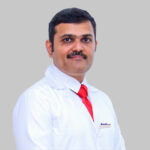
MBBS, MS, MRCS, DNB-Fellow
Dr. Sumit Kapadia
Dr. Sumit Kapadia / MR KAPADIA SUMIT a gold-medalist from Baroda Medical College, obtained his general surgical training and senior residency from SSG Hospital, Vadodara.
MBBS, MS, MRCS, DNB-Fellow
Dr. Sumit Kapadia
Dr. Sumit Kapadia / MR KAPADIA SUMIT a gold-medalist from Baroda Medical College, obtained his general surgical training and senior residency from SSG Hospital, Vadodara.