

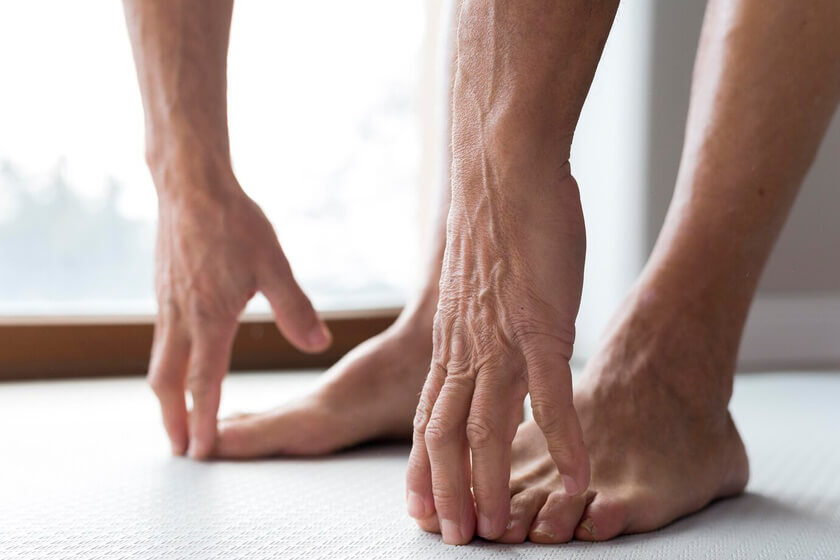
Veins are responsible for carrying blood back to the heart from all over our body. They work tirelessly throughout our lifetime, but unfortunately, they are often overlooked until something goes wrong. Poor circulation, blood clots, varicose veins, and other conditions can all affect the health of our veins. The good news is that there are many things we can do to help keep our veins healthy and functioning properly. In this article, we will discuss six do’s and don’ts for healthy veins.
How To Keep Your Veins Healthy
There are several things you can do to promote healthy veins, which can help prevent problems like varicose veins and blood clots. Maintaining a healthy weight, exercising regularly, and eating a healthy diet are all important for maintaining healthy veins. Wearing compression stockings can also help improve circulation in the legs and reduce the risk of developing varicose veins.
6 Do’s for Healthy Veins
Exercise regularly
Regular exercise is essential for promoting healthy veins. Exercise helps to improve circulation, which is important for preventing blood clots and other vein-related problems. Walking, jogging, swimming, and cycling are all excellent forms of exercise that can help improve circulation and keep your veins healthy.
Wear compression stockings
Compression stockings are specially designed to provide graduated compression to the legs, which helps to improve circulation and reduce the risk of developing varicose veins. Compression stockings are particularly helpful for people who stand or sit for long periods of time, such as office workers or airline pilots.
Eat a healthy diet
A healthy diet is important for maintaining overall health, including the health of your veins. A diet that is high in fiber and low in salt and saturated fat can help improve circulation and reduce the risk of developing varicose veins. Foods that are high in antioxidants, such as fruits and vegetables, can also help promote healthy veins.
Elevate your legs
Elevating your legs is an effective way to improve circulation and reduce swelling in the legs. When you elevate your legs, you are allowing gravity to help improve blood flow back to your heart. This can be particularly helpful for people who stand or sit for long periods of time. There are special wedge shaped pillows available for this purpose.
Practice good posture
Good posture is important for maintaining healthy veins. When you sit or stand with poor posture, you are putting unnecessary pressure on your veins, which can lead to varicose veins and other vein-related problems. Practicing good posture can help reduce the risk of developing vein-related problems.
Avoid standing or sitting for long periods of time
Standing or sitting for long periods of time can put unnecessary pressure on your veins, which can increase the risk of developing varicose veins and other vein-related problems. If you have a job that requires you to stand or sit for long periods of time, be sure to take breaks and move around periodically.
Also read: Top 8 Myths & Facts About Varicose Veins
According to Dr. Sumit Kapadia, Varicose Vein Specialist and Vascular Surgeon, apart from above necessary modifications, one should avoid wearing tight clothing and high heels as that can put unnecessary pressure on your veins, particularly in the legs, which can increase the risk of developing varicose veins. If you must wear high heels, try to limit the amount of time you wear them and opt for lower heels whenever possible.
By following these tips, you can help keep your veins healthy and functioning properly. Remember to listen to your body and seek medical attention from varicose vein specialist & vascular surgeon, if you notice any signs of vein-related problems, such as swelling, pain, or discoloration. Your doctor can provide you with personalized advice on how to keep your veins healthy and may recommend varicose vein treatments such as surgery or medication if necessary.
6 Don’ts for Healthy Veins
In addition to the do’s for healthy veins, there are also several don’ts that you should keep in mind to help keep your veins healthy. Here are 6 don’ts for healthy veins:
Don’t smoke
Smoking is a major risk factor for developing vein-related problems, including varicose veins and deep vein thrombosis. Smoking can cause blood vessels to narrow and restrict blood flow, which can increase the risk of developing blood clots.
Don’t sit or stand for long periods of time
As previously mentioned, sitting or standing for long periods of time can increase the risk of developing varicose veins and other vein-related problems. If you have a job that requires you to sit or stand for long periods of time, be sure to take breaks and move around periodically.
Don’t cross your legs
Crossing your legs can restrict blood flow and increase the risk of developing varicose veins. If you must sit for long periods of time, try to sit with your feet flat on the ground and your legs uncrossed.
Don’t wear tight clothing
Tight clothing, particularly around the waist, can restrict blood flow and increase the risk of developing varicose veins. If you must wear tight clothing, try to wear loose-fitting clothing as often as possible.
Don’t wear high heels
As previously mentioned, high heels can put unnecessary pressure on your veins, particularly in the legs, which can increase the risk of developing varicose veins. If you must wear high heels, try to limit the amount of time you wear them and opt for lower heels whenever possible.
Don’t ignore signs of vein-related problems
If you notice any signs of vein-related problems, such as swelling, pain, or discoloration, it’s important to seek medical attention as soon as possible. Ignoring these symptoms can lead to more serious problems down the road.
By avoiding these don’ts and following the do’s for healthy veins, you can help keep your veins healthy and functioning properly. Remember to listen to your body and seek medical attention if you notice any signs of vein-related problems. Your doctor can provide you with personalized advice on how to keep your veins healthy and may recommend treatments such as surgery or medication if necessary.
Taking care of your veins is essential for maintaining overall good health. By following the do’s and don’ts outlined in this blog, you can help promote healthy circulation and reduce the risk of developing vein-related problems. Remember to exercise regularly, eat a healthy diet, wear compression stockings, stay hydrated, elevate your legs, and practice good posture. Avoid standing or sitting for long periods of time, crossing your legs, wearing tight clothing, and high heels. By making these small changes in your daily routine, you can help keep your veins healthy and functioning properly for years to come.
In addition to these tips, it’s important to listen to your body and seek medical attention from a Varicose Vein Specialist & Vascular Surgeon if you notice any signs of vein-related problems, such as swelling, pain, or discoloration. Your doctor can provide you with personalized advice on how to keep your veins healthy and may recommend treatments such as surgery or medication if necessary.
For more information and consultation with Dr. Sumit Kapadia, a senior varicose vein specialist and vascular surgeon contact us today.
Follow us on YouTube

MBBS, MS, MRCS, DNB-Fellow
Dr. Sumit Kapadia
Dr. Sumit Kapadia / MR KAPADIA SUMIT a gold-medalist from Baroda Medical College, obtained his general surgical training and senior residency from SSG Hospital, Vadodara.
MBBS, MS, MRCS, DNB-Fellow
Dr. Sumit Kapadia
Dr. Sumit Kapadia / MR KAPADIA SUMIT a gold-medalist from Baroda Medical College, obtained his general surgical training and senior residency from SSG Hospital, Vadodara.