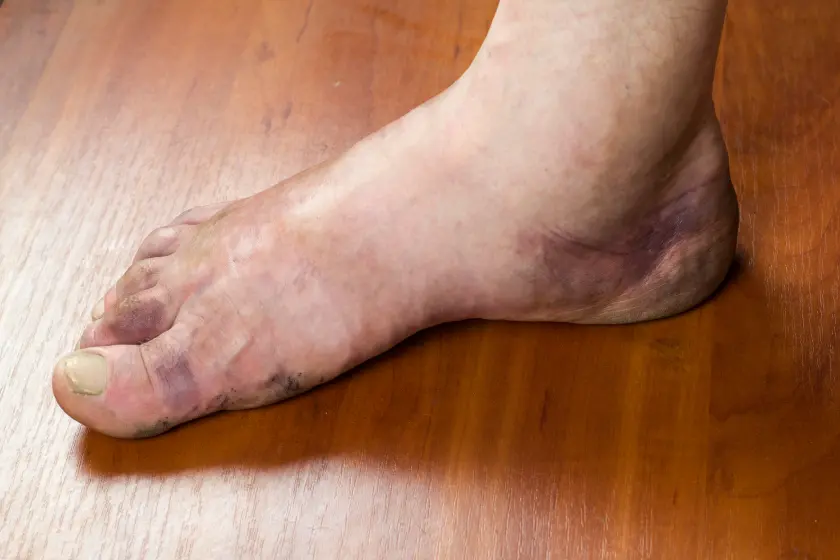
What Are Vascular Feet Issues?
Vascular problems in the feet are more common than many realize and can lead to serious complications if left untreated. These conditions occur when there is a disruption in blood flow through the arteries or veins in the lower limbs, especially the feet.
Your feet are far from the heart, and they rely on healthy blood vessels to deliver oxygen and nutrients. Any narrowing or blockage in these vessels leads to vascular problems in the feet, resulting in pain, swelling, ulcers, and in severe cases, tissue death.
In India, awareness around vascular foot issues is limited. Many patients attribute foot discomfort or skin changes to aging or diabetes without recognizing the vascular component. But timely diagnosis and proper care can prevent long-term damage and even limb loss.
Common Causes of Vascular Problems in the Feet
There are several conditions that can lead to poor circulation in the feet. In my clinical experience, the most common causes of vascular problems in the feet include:
Atherosclerosis
Fatty deposits build up in the artery walls, reducing or blocking blood flow to the feet. This is a leading cause of peripheral vascular disease.
Diabetes
India is the diabetes capital of the world, with over 100 million diabetics as per ICMR data from 2023. Poorly controlled diabetes damages blood vessels and nerves, increasing the risk of foot disease.
Chronic venous insufficiency
When the veins in the legs do not return blood efficiently to the heart, it leads to pooling of blood and swelling in the lower limbs.
Smoking
Tobacco use narrows blood vessels and impairs circulation. Smokers are at significantly higher risk of developing vascular issues in the legs and feet.
Blood clots
A clot in a deep vein can block blood flow and cause sudden swelling or pain in one leg or foot.
High blood pressure and high cholesterol
Both contribute to long-term damage to blood vessels, especially in the lower extremities.
Peripheral Vascular Disease and Foot Health
Peripheral Vascular Disease (PVD) is a broad term that includes conditions that affect blood circulation in the arteries and veins outside the heart and brain. The most commonly affected areas are the legs and feet.
According to data from the Journal of Vascular Surgery India, nearly 15 to 20 percent of adults over age 60 in urban India show signs of peripheral vascular disease. However, fewer than 30 percent are diagnosed early.
PVD leads to reduced blood supply in the feet, resulting in pain, slow-healing wounds, ulcers, and in advanced cases, gangrene. In diabetics, even a small unnoticed wound on the foot can escalate into a limb-threatening condition due to poor circulation.
Proper foot health begins with proper vascular health. If blood is not reaching the tissues, no amount of skin creams or antibiotics will help the wound heal.
Warning Signs and Symptoms You Shouldn’t Ignore
Early symptoms of vascular foot issues are often subtle, but ignoring them can lead to serious complications. Watch out for the following:
- Cramping or pain in the calves, feet, or toes while walking that improves with rest.
- Numbness or tingling in the feet
- Cold or pale feet and toes, especially compared to the other leg
- Wounds or ulcers on the feet that heal very slowly or not at all
- Shiny, tight, or discolored skin over the feet
- Loss of hair on toes or legs
- Thickened toenails or fungal infections
These symptoms suggest impaired blood flow. If you experience more than one, it is advisable to seek a vascular evaluation.
Swollen Legs and Feet: When It Signals a Vascular Issue
Swelling in the legs or feet is often brushed off as fatigue or a long day on your feet. But persistent or one-sided swelling could indicate vascular problems in the feet, especially if associated with other signs like skin discoloration or heaviness.
According to a study published in the Indian Journal of Clinical and Experimental Vascular Surgery, chronic venous disease is one of the most underdiagnosed causes of leg swelling in India. Over 40 percent of patients visiting vascular clinics report swelling as a primary symptom.
Swollen legs treatment begins with identifying the underlying cause. If it is vascular, managing venous pressure through compression therapy, medications, or surgical procedures becomes essential.
Effective Treatment Options for Vascular Foot Disease
When it comes to vascular foot issues, the treatment depends on the underlying cause, severity of symptoms, and presence of complications. Here are the most common treatment approaches I recommend:
Lifestyle changes
Quitting smoking, adopting a low-fat diet, managing blood sugar and pressure, and walking regularly improve overall vascular health.
Medications
Drugs that reduce cholesterol, control blood pressure, prevent clotting, or improve blood flow are prescribed based on the patient’s condition.
Compression therapy
For venous insufficiency, compression stockings help reduce swelling and improve blood return.
Angioplasty and stenting
Minimally invasive procedures that open blocked arteries using a balloon and sometimes place a stent to keep the artery open.
Bypass surgery
In severe cases, bypassing a blocked artery using a graft may be required to restore blood flow to the feet.
Wound care
For non-healing ulcers or infections, specialized wound care including debridement, dressings, and pressure offloading is essential.
With the right combination of medical and interventional therapy, many patients regain mobility and avoid amputation.
When to See a Vascular Specialist
Many people delay seeing a specialist, believing their foot symptoms are related to general fatigue or aging. But if you notice any of the following, it is time to consult a vascular surgeon:
- Persistent foot pain or numbness
- Ulcers or wounds that do not heal
- Changes in skin color or temperature in the feet
- One-sided swelling or sudden onset of pain
- A history of diabetes or smoking with foot symptoms
Early intervention is key. The earlier we restore blood flow, the better the chances of healing and preserving the limb.
Conclusion
Vascular problems in the feet are often hidden in plain sight. From cold toes to slow-healing wounds, these symptoms are your body’s way of warning you. While aging and diabetes are common culprits, poor lifestyle habits, sedentary routines, and delayed medical attention often make the problem worse.
Foot health begins with good vascular health. Timely diagnosis, a clear understanding of peripheral vascular disease, and an expert-led treatment plan can help you stay mobile and pain-free.
If you or your loved one is experiencing symptoms of vascular foot issues, do not ignore them. With the right care, early diagnosis, and medical guidance, you can walk stronger and safer into the future.
Let me know if you would like this adapted into a handout, emailer, or social media series for patient education.
Frequently Asked Questions
Vascular problems in the feet include peripheral artery disease, chronic venous insufficiency, varicose veins, and blood clots. These conditions affect blood flow and can lead to swelling, pain, and non-healing wounds.
Early symptoms include pain while walking that improves with rest, numbness or tingling, cold feet, skin discoloration, and slow-healing foot sores. These signs indicate poor circulation and should be evaluated by a vascular specialist.
Yes, persistent swelling in the legs and feet may indicate chronic venous insufficiency or deep vein thrombosis. If one leg is more swollen than the other or the skin becomes tight or discolored, medical attention is necessary.
Treatment may include lifestyle changes, medications, compression therapy, angioplasty, or bypass surgery. Wound care is also critical for non-healing ulcers. Early diagnosis improves outcomes significantly.
You should see a vascular doctor if you have pain while walking, cold or pale feet, foot wounds that do not heal, or swelling that does not go away. These may be signs of serious vascular disease that needs immediate attention.

Dr. Sumit Kapadia
MBBS, MS, MRCS, DNB-Fellow