

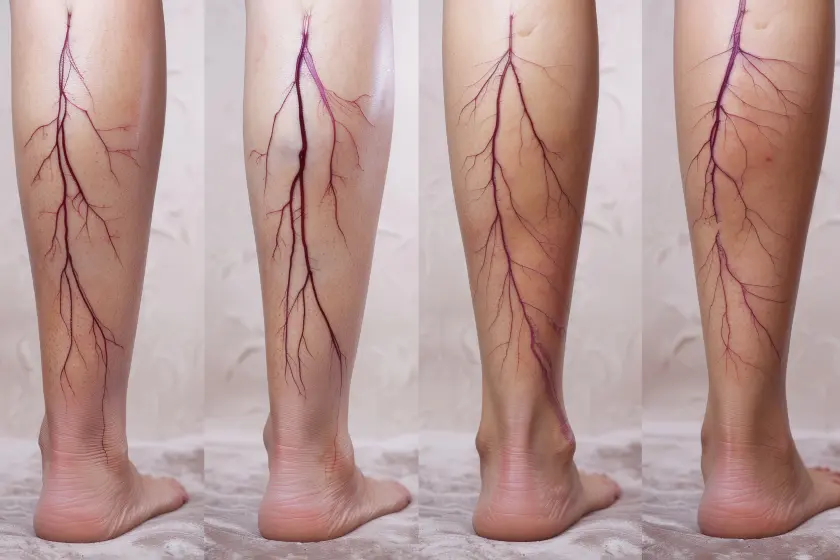
Two people can undergo the same Spider Vein Treatment and still see completely different results. One may notice dramatic clearing within weeks, while another may require multiple sessions with slower improvement. The reason often has less to do with the treatment itself and more to do with two important factors many patients overlook: skin type and vein size.
Spider veins may appear small on the surface, but treating them successfully requires careful evaluation of the skin, the depth of the veins, and the size of the affected blood vessels. Even factors like skin pigmentation and how visible the veins are on the skin surface can influence healing and final cosmetic results.
In this blog, we’ll explain how skin type and vein size affect spider treatment outcomes, which treatment options work best for different patients, and what realistic results patients should expect after treatment.
Understanding Skin Spider Veins and Surface Veins
Skin spider veins are tiny damaged blood vessels that become visible near the surface of the skin. They often appear as thin red, blue, or purple lines spreading outward like a web or tree branch pattern.
These veins develop when small vein valves weaken and blood begins pooling inside superficial blood vessels. Over time, pressure builds up and makes the veins more noticeable through the skin.
Spider veins are most commonly seen on the legs and face, although they can appear anywhere close to the skin surface.
Several factors increase the risk of developing veins on skin surface areas, including prolonged standing, genetics, hormonal changes, obesity, pregnancy, aging, and sun exposure.
There are also different Types of Visible Skin Veins, including:
- Spider veins
- Reticular veins
- Varicose veins
- Thread veins
- Telangiectasia
While spider veins are usually cosmetic, larger visible veins may sometimes indicate underlying vein circulation problems.
The normal vein size in the legs varies depending on the type and location of the vein. Spider veins are typically very small and superficial, while larger reticular or varicose veins extend deeper below the skin.
The Role of Vein Size in Spider Vein Treatment Effectiveness
Vein size is one of the biggest factors affecting treatment success.
Very small spider veins near the skin surface often respond well to laser-based spider treatment because light energy can target tiny blood vessels precisely.
However, larger veins usually require different treatment methods because laser energy may not penetrate deeply enough to close thicker vessels effectively.
Patients with larger reticular veins or feeding veins beneath visible spider veins may also require treatment of the deeper vein first before surface veins improve completely.
This is one reason why some patients notice incomplete improvement after treatment if the underlying circulation issue is not addressed properly.
Larger veins may also require:
- Multiple treatment sessions
- Combination therapy
- Stronger sclerotherapy solutions
- Longer healing periods
- More gradual cosmetic improvement
The depth of the vein beneath the skin surface also affects how easily it responds to treatment.
How Skin Type Affects Spider Vein Treatment Results
Skin type plays a major role in determining both safety and cosmetic outcome after treatment.
Patients with lighter skin tones often respond differently compared to patients with darker skin because laser energy interacts with skin pigment during treatment.
In darker skin types, the skin contains more melanin, which can absorb some of the laser energy intended for the blood vessel. This increases the risk of temporary pigmentation changes, burns, or uneven skin tone if treatment settings are not adjusted carefully.
Patients with sensitive skin may also experience more redness or irritation after certain procedures.
Because of this, vascular specialists usually customize treatment settings based on both skin type and vein characteristics.
Treatment Considerations for Different Skin Types
Patients with fair skin and red superficial spider veins often respond very well to vascular laser treatments because the contrast between the vein and surrounding skin is clearer.
In medium to darker skin tones, doctors may prefer sclerotherapy for certain veins because it avoids some of the pigment-related risks associated with lasers.
Skin sensitivity, tanning history, sun exposure, and previous pigmentation problems are also important considerations before treatment begins.
Careful assessment helps reduce complications and improves the chances of achieving smoother spider veins before and after results.
Comparing Spider Veins Before and After Treatment Outcomes
Many patients expect spider veins to disappear immediately after treatment, but improvement usually happens gradually.
After successful treatment, the damaged veins slowly collapse and are naturally absorbed by the body over several weeks.
Spider veins before and after outcomes vary depending on:
- Vein size
- Skin type
- Circulation quality
- Treatment method
- Hormonal factors
- Sun exposure
- Lifestyle habits
Smaller veins often fade faster, while larger or deeper veins may require additional sessions before noticeable improvement occurs.
Some patients may also temporarily notice bruising, redness, or darkening of treated veins before they fade completely.
Realistic expectations are extremely important because even highly successful treatments may not remove every visible vein completely in one session.
Best Spider Vein Treatment Options Based on Skin Type and Vein Size
There is no single spider treatment that works equally well for every patient.
The best approach depends on the size of the veins, skin pigmentation, vein depth, and overall vein health.
Laser treatment is often preferred for:
- Very fine red spider veins
- Facial spider veins
- Tiny superficial vessels
- Needle-sensitive patients
Sclerotherapy is commonly preferred for:
- Larger spider veins
- Blue or purple leg veins
- Reticular veins
- Multiple visible leg veins
Some patients benefit most from combination treatment using both laser therapy and sclerotherapy for better cosmetic outcomes.
Modern vascular clinics often use ultrasound guidance to identify deeper feeder veins that may contribute to recurring surface spider veins.
Limitations of Spider Vein Treatment Based on Vein Size and Skin Type
Even advanced treatments have limitations.
Very large veins may not respond fully to cosmetic spider vein procedures alone and may require treatment of underlying venous insufficiency first.
Patients with darker skin tones may face higher risks of temporary pigmentation changes after certain laser treatments, especially if post-treatment sun protection is poor.
Hormonal changes, pregnancy, genetics, prolonged standing, and obesity can also contribute to recurrence even after successful treatment.
Some veins may lighten significantly rather than disappear completely.
This is why experienced vascular specialists focus not only on cosmetic improvement but also on identifying underlying vein problems that may affect long-term results.
Aftercare Tips to Improve Spider Vein Treatment Results
Proper aftercare plays a major role in improving treatment outcomes and reducing complications.
Patients are usually advised to avoid excessive sun exposure immediately after treatment because UV exposure can worsen pigmentation changes, especially in darker skin types.
Walking regularly after treatment helps improve circulation and lowers pressure inside the veins.
Compression stockings may also be recommended after sclerotherapy to support healing and reduce swelling.
Maintaining a healthy weight, staying active, and avoiding prolonged standing for long hours may help lower the risk of new spider veins developing later.
Following post-treatment instructions carefully often improves both healing and cosmetic results significantly.
Conclusion
Spider Vein Treatment is not simply about removing visible veins. The success of treatment depends heavily on understanding the patient’s skin type, vein size, vein depth, and overall circulation health.
Smaller superficial veins may respond quickly to laser-based procedures, while larger or deeper veins often require sclerotherapy or combination treatments for better long-term improvement.
Skin type also plays an important role because pigmentation, sensitivity, and healing response directly affect how safely and effectively veins can be treated.
The most successful spider treatment plans are individualized rather than one-size-fits-all. Careful evaluation, realistic expectations, proper aftercare, and treating underlying vein problems when necessary all contribute to better spider veins before and after outcomes.
Frequently Asked Questions
Laser therapy and sclerotherapy are among the most effective spider vein treatments, depending on vein size, depth, and skin type.
Yes, but treatment settings and methods may need adjustment depending on skin pigmentation and sensitivity to reduce complication risk.
Spider veins may develop because of genetics, prolonged standing, hormonal changes, obesity, aging, pregnancy, and poor vein circulation. Staying active and maintaining healthy circulation may help reduce risk.
Spider vein treatment cost in India varies depending on the treatment method, number of sessions, vein severity, and clinic location.
Yes, skin type can affect healing, pigmentation risk, laser response, and overall cosmetic outcomes after treatment.

Dr. Sumit Kapadia
MBBS, MS, MRCS, DNB-Fellow