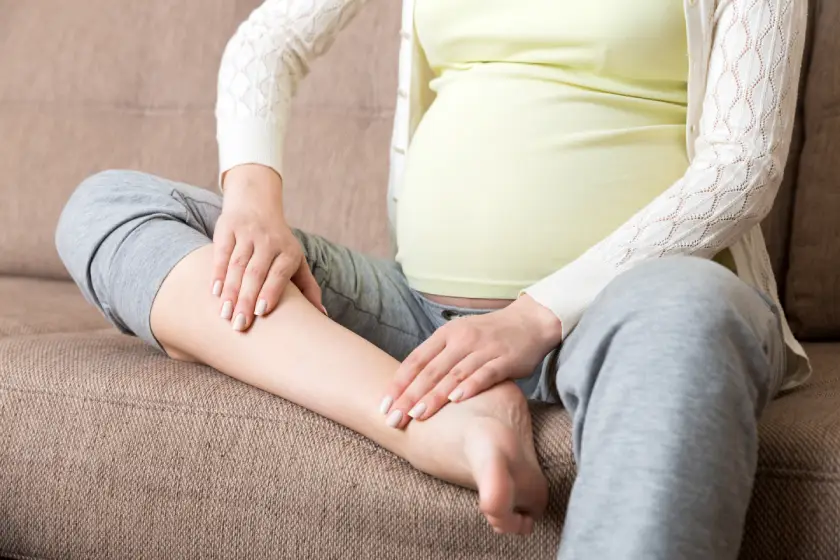
Many pregnant women are surprised the first time they look down and notice their feet looking puffier than usual. Sometimes it’s just the ankles. Sometimes the fingers feel tight. And sometimes shoes that fit perfectly last month suddenly feel impossible to wear.
This swelling, known as edema, is one of the most common changes during pregnancy. Even though it is usually harmless, it can still feel uncomfortable and raise understandable questions. Why is it happening? Is this normal? When should you be concerned?
As a vascular specialist and someone who regularly treats women with circulation-related concerns, I see this often. Most pregnancy-related swelling has simple explanations and improves with routine care.
But knowing the difference between normal swelling and warning signs can help you stay safe, comfortable, and confident throughout your pregnancy.
Let’s break it down in the simplest, most reassuring way possible.
What Causes Swelling of the Feet During Pregnancy?
During pregnancy, your body goes through remarkable changes to support your growing baby. One of the biggest changes is a significant increase in blood volume. Your body produces almost 50 percent more blood and fluids, which helps nourish the baby but also leads to fluid retention in your tissues.
Another major cause is pressure from the growing uterus. As your uterus expands, it presses against veins in the pelvis, especially the inferior vena cava, the large vein responsible for carrying blood from your lower body back to your heart. This pressure slows down circulation in your legs and encourages fluid to pool in your feet and ankles.
Additional contributors include hormonal changes, hot weather, long hours of standing, and not drinking enough water. Put together, all these factors make swelling extremely common.
Edema in Feet During Pregnancy
Edema simply means fluid buildup under the skin. During pregnancy, this usually shows up in the feet, ankles, and sometimes the lower legs.
Most women notice swelling from the second trimester onward, and it often increases as months pass and the baby grows.
You might see:
- Puffiness around the ankles
- Difficulty fitting into shoes by late afternoon
- Imprints of socks or sandals on the skin
- Heaviness or tightness in the legs
For the majority of women, this type of edema is normal. It tends to worsen toward the end of the day and improve overnight.
Swollen Feet, Ankles, and Legs: What’s Normal?
Normal swelling is symmetrical, meaning both feet and both ankles swell in a similar way. It usually gets worse:
- After standing or sitting for too long
- In hot or humid weather
- Toward the third trimester
This is called physiological swelling, and it’s expected.
However, swelling is not considered normal if:
- Only one leg is swollen
- The swelling is sudden
- You have pain, redness, or warmth
- Your face or hands suddenly swell
- You develop severe headaches or vision problems
These symptoms may indicate conditions like deep vein thrombosis (DVT) or preeclampsia, both of which require immediate medical attention.
Swollen Feet and Hands in Pregnancy
While leg and ankle swelling are the most common, some women also notice puffiness in their hands or fingers. Rings may feel tight, and gripping objects may feel slightly uncomfortable.
Hand swelling is usually harmless, but sudden swelling, especially in the face or hands, should not be ignored. It can be a sign of high blood pressure or preeclampsia, so it’s important to mention it to your doctor.
Swollen Feet After Pregnancy (Postpartum Edema)
Many women assume the swelling will disappear immediately after delivery, but postpartum edema is also very common.
Your body needs time to eliminate the extra fluid it held during pregnancy. Hormonal changes, IV fluids during labor, and the natural recovery process can all cause continued swelling for a few days or even a couple of weeks.
Postpartum swelling is usually temporary and improves with rest, hydration, and movement. However, if swelling is severe, persistent, or accompanied by chest pain, shortness of breath, or leg pain, seek medical care immediately.
Home Remedies and Swollen Legs Treatment
Most pregnant women can manage swelling comfortably at home with a few simple habits.
Stay active
Gentle walking, stretching, and ankle rotations improve circulation.
Keep your feet elevated
Raise your legs whenever possible so gravity helps move the fluid.
Drink enough water
It may feel counterintuitive, but hydration reduces fluid retention.
Avoid long hours of standing or sitting
Take breaks to move around or shift your position.
Wear comfortable shoes
Avoid tight straps and high heels.
Use compression stockings if recommended
These can significantly reduce swelling, especially if you’re on your feet all day.
Sleep on your left side
This position improves blood flow to your heart and reduces pressure on the main vein returning blood from your lower body.
Reduce salt intake
Too much sodium can worsen water retention.
These steps usually bring noticeable relief within days.
When to Call Your Doctor or Midwife
You should seek medical advice if you notice:
- Swelling that appears suddenly
- Swelling only in one leg
- Pain, redness, or warmth in the leg
- Severe or worsening swelling
- Swollen face or puffy hands
- Severe headaches or vision changes
- Rapid weight gain
These may indicate high blood pressure disorders or a blood clot, which requires urgent care.
Protecting Your Health and Your Baby
Pregnancy swelling is uncomfortable but manageable in most cases. The key is paying attention to what feels normal for your body and reporting what does not.
Early detection of abnormal signs helps protect both you and your baby. Never hesitate to ask questions or raise concerns with your doctor. It’s always better to be safe.
Conclusion
Swelling during pregnancy is incredibly common and, in most cases, simply a result of your body working hard to support your growing baby. Understanding why it happens and how to manage it can make your pregnancy journey far more comfortable.
With simple care strategies and awareness of warning signs, you can stay safe, reduce discomfort, and focus on enjoying this special phase of life.
Frequently Asked Questions
Movement, hydration, elevating your legs, avoiding prolonged standing, and using compression stockings usually help. Your doctor may suggest additional measures depending on your symptoms.
Sudden swelling of the face or hands, severe headaches, vision problems, chest pain, and swelling in only one leg are concerning signs that should be evaluated immediately.
If swelling is sudden, severe, or very different on one side of the body, contact your doctor.
Stay active, drink plenty of water, elevate your feet, limit salt, avoid standing too long, and wear loose clothing and supportive shoes.
Seek medical care if swelling is painful, affects only one leg, appears suddenly, or is accompanied by breathing difficulty, headaches, or vision changes.
Increased blood volume, hormonal changes, pressure from the growing uterus, and slower circulation in the legs are the primary causes.

Dr. Sumit Kapadia
MBBS, MS, MRCS, DNB-Fellow