

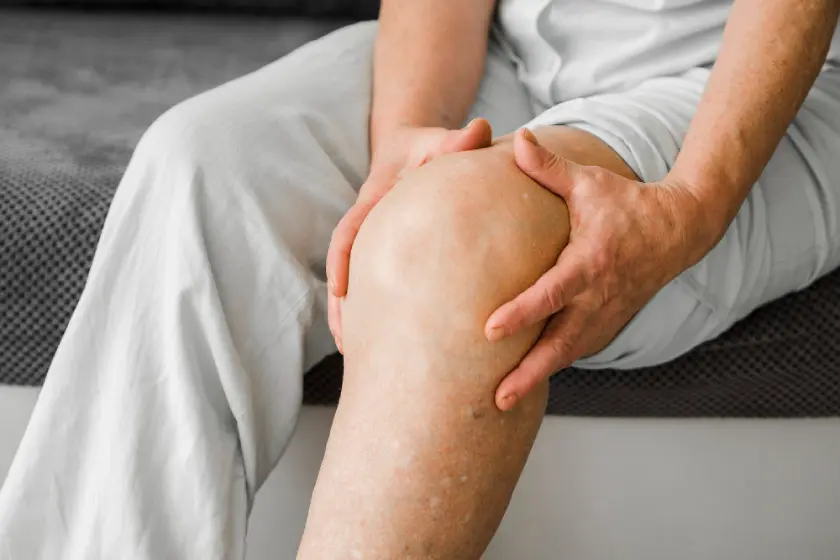
Leg swelling is very common in elderly patients, but most people don’t come in early for it. They usually adjust to it first.
It starts with mild swelling in the evening, especially around the ankles. Some notice their footwear feels tighter. Others just feel heaviness in the lower leg but ignore it because there is no pain.
Over time, it becomes more persistent.
Now, not every case is serious. But swelling in the feet and ankles is also not something to overlook completely. Sometimes it is related to simple factors like prolonged sitting. But in other cases, it can be linked to circulation problems, heart or kidney issues, or even a blood clot in the leg.
There is also lymphatic swelling, which many patients are not aware of. This type does not behave like routine swelling and often does not reduce on its own.
So, before starting any treatment for swollen legs, it is important to understand what is actually causing it.
What Causes Swelling in Legs, Feet, and Ankles in Older Adults?
Swelling, or edema, happens when fluid collects in the tissues. In elderly health, this is quite common because multiple systems in the body may not function as efficiently as before.
Common Reasons for Leg Swelling in the Elderly
There is usually no single cause. In many patients, more than one factor is involved.
One common cause of leg swelling is chronic venous insufficiency. The veins cannot push blood upward properly, so blood starts collecting in the lower legs.
Heart-related conditions can also lead to swelling. When the heart is not pumping effectively, fluid tends to accumulate in dependent areas, such as the legs.
Kidney and liver conditions also play a role because they affect the body’s fluid balance.
Then there is lymphatic swelling. This is something we often see being missed. Patients usually say the swelling feels different, sometimes firmer, and it does not reduce easily.
Medications and reduced mobility can exacerbate the problem, especially in elderly, less active patients.
Types of Leg Swelling You Should Know
Not all swelling looks the same, and this helps in understanding what might be going on.
Pitting edema is the more common type. When you press on the skin, it leaves a dent for a few seconds.
Non-pitting swelling feels tighter and does not leave that indentation. This is more typical in lymphatic swelling.
Another simple way to look at it is whether one leg is involved or both. That small observation can be quite important clinically.
One Leg Swelling: Left Leg vs Right Leg Swelling Explained
When a patient has left or right leg swelling, we usually think in a different direction than with both-leg swelling.
One-sided swelling often suggests a localized issue. It could be a blood clot, an infection, or sometimes even a blockage in the lymphatic system.
If both legs are swollen, we are more likely to consider systemic causes like heart, kidney, or liver conditions.
So yes, even though it sounds basic, which leg is swollen actually matters.
Blood Clot in the Leg: Symptoms and Treatment
A blood clot in the leg, or deep vein thrombosis, is something that should not be delayed.
Typically, the swelling is in one leg and may be accompanied by pain or discomfort. Some patients describe a feeling of tightness or warmth. Occasionally, the skin may look slightly red.
Treatment for a blood clot in the leg usually involves blood thinners. These help prevent the clot from getting bigger and reduce the risk of complications.
Further management depends on the patient’s condition, but early diagnosis is key because complications can occur if it is missed.
Best Treatment Options for Swollen Legs
There is no single leg swelling treatment that works in every case.
Treatment depends on the cause, which is why evaluation is important.
Compression stockings are commonly used and are helpful for many patients. In some situations, medications may be required to manage fluid retention.
For lymphatic swelling, treatment is more targeted and may include therapies like manual drainage and compression pumps to improve drainage.
Apart from this, basic lifestyle measures also play a role. They may seem simple, but they do help when followed regularly.
Easy Home Care Tips to Reduce Swelling in Feet and Ankles
- Managing swelling in the feet and ankles at home is possible to some extent.
- Keeping the legs elevated for some time during the day can help reduce swelling.
- Avoid sitting or standing in one position for too long. Even small movements help.
- Walking, light exercises, or ankle movements can gradually improve circulation.
- Reducing salt intake is often advised, and staying hydrated also helps.
See this video to understand how to control your leg swelling:
Lower Leg Swelling: Causes and Daily Care Tips
Lower leg swelling is quite common, mainly because of gravity and slower circulation.
It is often seen in patients with venous issues, reduced activity, or varicose veins.
Daily care does not need to be complicated. Regular movement, proper rest positions, and basic precautions usually help manage the symptoms.
How Doctors Treat Leg Swelling in Elderly Patients?
From a clinical point of view, we focus on finding the cause first.
A Doppler study is commonly used to check blood flow in the veins. Depending on the case, additional tests may be needed.
Once the cause is identified, treatment becomes more targeted. That is when patients usually start noticing improvement.
In elderly health, this step is important because there may be more than one contributing factor.
Risks of Ignoring Swollen Legs in Elderly Patients
If leg swelling reasons are ignored, the condition may gradually worsen.
The skin can become more sensitive and prone to infections. In some cases, wounds may develop and take longer to heal.
Mobility can also be affected over time. If the underlying cause is something like a blood clot or lymphatic issue, delaying treatment can make things more complicated later.
Conclusion
Leg swelling in elderly patients is common, but it should not be dismissed without understanding the cause.
Some cases are simple to manage, while others require medical attention. The difference lies in proper evaluation.
The right treatment for swollen legs is not just about reducing swelling but also about addressing the cause and preventing it from coming back.
Frequently Asked Questions
Chronic venous insufficiency is one of the most common causes, in which blood collects in the lower legs due to reduced venous function.
Swelling in one leg is often due to a blood clot, infection, injury, or lymphatic blockage.
Elevating the legs, reducing salt intake, and using compression can help reduce swelling.
Left leg swelling may be due to localized vascular or lymphatic causes and should be evaluated.
Treatment depends on the cause and may include compression, medication, and lifestyle adjustments.
Common types include pitting edema, non-pitting swelling, and swelling affecting one or both legs.

Dr. Sumit Kapadia
MBBS, MS, MRCS, DNB-Fellow