Most people notice leg swelling at some point and ignore it. Long day, too much standing, travel fatigue. Fair enough. But when the swelling keeps coming back or slowly gets worse, it starts raising uncomfortable questions. Is it the heart? Could it be the kidneys? Or is there something wrong with the veins?
These worries are common, and they are not unnecessary. Swollen legs are often the body’s way of signalling that something inside is not working the way it should. The challenge is figuring out what exactly is causing it.
What Causes Swelling in the Legs?
Leg swelling happens when fluid builds up in the tissues. This fluid does not appear randomly. It accumulates when blood flow slows down, pressure increases, or the body cannot get rid of excess water properly.
Sometimes the cause is simple, like sitting too long or standing all day. Other times, the swelling points toward heart issues, kidney problems, or vein disease. Each of these affects circulation and fluid balance differently, which is why leg swelling should never be treated as “just swelling” without context.
Leg Swelling and Heart Problems
A very common question is, are swollen legs a sign of heart problems? In many cases, yes.
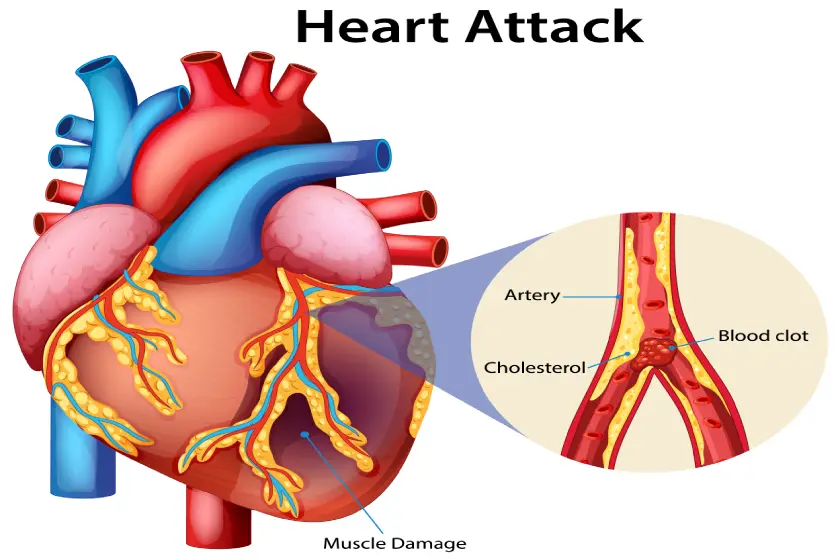
When the heart becomes weak and cannot pump blood efficiently, fluid starts backing up. Gravity pulls this fluid downward, so it collects in the feet, ankles, and lower legs. This is why swollen feet are a classic symptom doctors watch for in heart failure.
Swelling in the legs, heart disease-related swelling often worsens by evening. People may also notice breathlessness, tiredness, or discomfort while lying flat. When leg swelling shows up along with these symptoms, the heart is often involved.
Leg Swelling and Kidney Disease
Kidneys control how much fluid stays in the body. When they are damaged, fluid and salt start accumulating. This explains the strong link between kidney disease and leg swelling.
Along with leg swelling, many patients also notice puffiness around the eyes, especially in the morning. Reduced urine output and foamy urine are other warning signs.
As kidney disease progresses, kidney disease and leg swelling may occur together with swelling in other parts of the body, not just the legs.
Leg Swelling Due to Vein Problems
Vein-related swelling works differently. Here, the heart and kidneys may be functioning normally, but blood struggles to return upward from the legs.
When vein valves weaken, blood pools in the lower limbs. Pressure builds, fluid leaks into surrounding tissue, and swelling develops. This swelling usually gets worse as the day goes on and improves after resting or elevating the legs.
Other signs often include heaviness, aching pain, visible veins, or skin darkening. This is where assessment by a vascular surgeon becomes important, especially if swelling has been present for a long time.
How to Tell the Difference: Heart vs Kidney vs Vein Swelling
The differences are subtle but meaningful. Heart-related swelling often comes with breathlessness and fatigue. Kidney-related swelling is usually more general and may involve the face and hands. Vein-related swelling is mostly limited to the legs and worsens with standing.
That said, these patterns can overlap. Many patients have more than one contributing factor. This is why guessing the cause rarely helps, and proper evaluation matters.
When Should You See a Doctor?
You should not wait if leg swelling is persistent, painful, or increasing. Swelling that comes with breathlessness, chest discomfort, reduced urination, or skin changes needs medical attention.
Sudden swelling in one leg is especially concerning and should be checked immediately. Early consultation helps determine whether the issue is cardiac, renal, or vascular before complications develop.
Treatment Depends on the Cause
There is no single treatment for leg swelling because the cause matters more than the symptom. Heart-related swelling is managed by improving heart function and removing excess fluid. Kidney-related swelling requires careful fluid control and treating the underlying kidney problem.
Vein-related swelling is treated differently. Compression, lifestyle changes, and sometimes procedures done by a vascular surgeon are needed to correct blood flow and prevent worsening.
Treating swelling without addressing the cause rarely works for long.
Conclusion
Leg swelling is easy to dismiss, but it often carries an important message. It may point toward heart disease, kidney disease, or vein problems, each with its own risks and treatment approach.
Paying attention early makes a difference. With proper diagnosis and timely care, most causes of leg swelling can be managed effectively, preventing long-term damage and improving daily comfort.
Frequently Asked Questions
Swollen legs may be a sign of heart failure, kidney disease, vein problems, or fluid retention due to circulation issues.
Heart failure often causes breathlessness, fatigue, and leg swelling. Kidney failure may cause leg swelling, facial puffiness, reduced urine output, and high blood pressure.
Leg swelling is more common in later stages of heart failure, although it can appear earlier if fluid retention increases.
Symptoms include leg heaviness, aching pain, swelling that worsens during the day, visible veins, skin discoloration, and slow-healing wounds.

Dr. Sumit Kapadia
MBBS, MS, MRCS, DNB-Fellow