

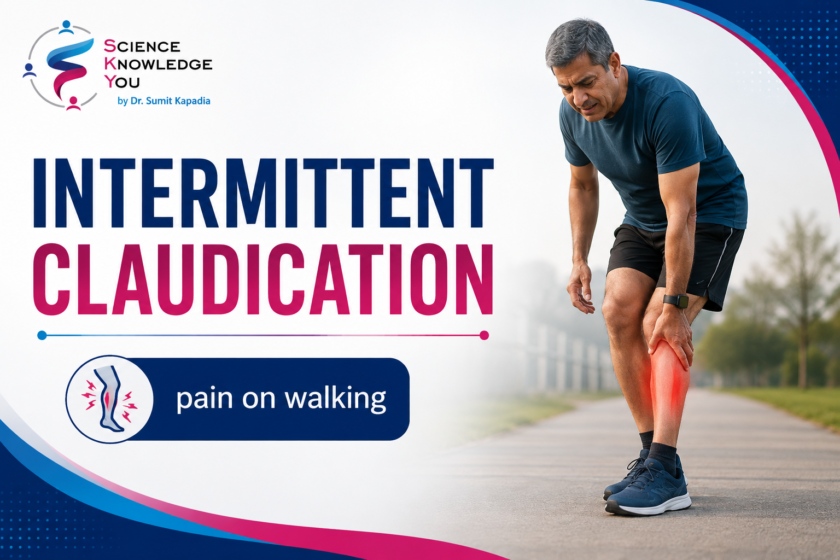
Intermittent claudication is pain or cramping in the legs with walking that goes away within a few minutes of rest. To understand intermittent claudication, it is important to know its underlying cause: the muscles in the working legs are not receiving enough blood flow.
Intermittent claudication, a common symptom of peripheral arterial disease (PAD), happens when narrowed arteries limit circulation. As this type of leg pain can be indicative of underlying cardiovascular disease and PAD is often underdiagnosed, it should not be mistaken for normal fatigue. Early diagnosis and treatment may avoid serious complications including critical limb ischemia.
Key Takeaways
- Intermittent claudication is usually a symptom of peripheral arterial disease.
- The pain typically comes on with walking and settles with rest.
- Narrowed, atherosclerotic arteries reduce blood flow to the leg muscles.
- Smoking, diabetes, and high cholesterol are among the major risk factors.
- Early treatment and lifestyle changes markedly improve outcomes.
- Some people also need medication or a procedure to restore blood flow.
What Is Intermittent Claudication?
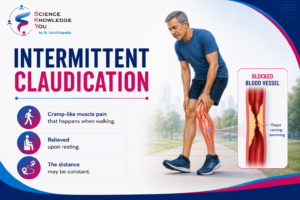
Intermittent claudication is simply a cramping leg pain that occurs with exercise or walking and resolves with rest. It derives from a Latin word meaning limping, because the pain often causes people to stop or pause when walking.
While you are active, your leg muscles need more oxygen, but arteries narrowed from peripheral arterial disease (PAD) may not be able to provide enough blood to meet this increased need.When there is insufficient oxygen, the muscles start aching. When you rest, your blood flow catches up to the lower demand, and the pain usually goes away in a few minutes.
What Causes Intermittent Claudication?
The root cause is almost always peripheral arterial disease driven by atherosclerosis. This is a gradual buildup of fatty plaque that stiffens and narrows the arteries and steadily reduces blood circulation to the legs.
As the channel narrows, the leg muscles simply cannot draw enough blood during activity, which is why symptoms surface with exertion. It is worth noting that a similar condition called pseudoclaudication comes from the spine rather than the arteries and often eases with sitting.
Risk Factors
Several factors raise the likelihood of developing it, and the more you carry, the greater the risk. Some are stated below:
- Smoking damages arteries and speeds up plaque buildup.
- Diabetes harms blood vessels through high blood sugar.
- High cholesterol leads to fatty deposits in arteries.
- High blood pressure weakens and damages artery walls.
- Obesity increases strain on the heart and circulation.
- Older age naturally raises the risk of narrowed arteries.
- Kidney disease contributes to poor blood vessel health.
- Family history of vascular disease increases your overall risk.
- Sedentary lifestyle reduces circulation and weakens vascular health.
Learn the explanation of modern risk factors in this detailed video:
Symptoms of Intermittent Claudication You Should Not Ignore
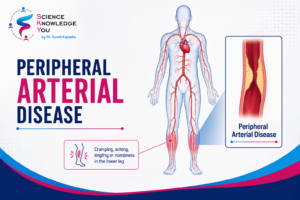
Symptoms vary with how far the disease has progressed. Early on, many people notice only mild discomfort, whereas advanced disease can cause pain even at rest.
Common Symptoms
The hallmark symptom is leg pain brought on by walking and relieved by rest. It often feels like cramping, aching, burning, or muscle fatigue and, depending on which artery is affected, may settle in the buttock, thigh, calf, or foot.
Advanced Warning Signs
More serious signs include pain at rest, non-healing wounds, cold feet, a weak or absent pulse, skin discolouration, and hair loss on the legs. If any of these appear, or if your symptoms suddenly worsen, seek medical evaluation. A sudden loss of pulse along with numbness or a cold, pale limb needs emergency care right away, since this can signal a complete blockage.
How Is Intermittent Claudication Diagnosed?
Medical Evaluation
Diagnosis begins with your medical history and a physical examination, during which the doctor checks the pulses, skin, and blood pressure in both limbs.
Diagnostic Tests
The ankle-brachial index (ABI) is usually the first-line test because it is quick and non-invasive. It compares blood pressure at the ankle with that in the arm, and a low ratio signals reduced flow.
Check out this video, Dr Sumit explains how an ABI can be measured easily.
When more detail is needed, Doppler ultrasound, CT angiography, or MR angiography can map the blockages, while blood tests assess cholesterol, glucose, and kidney function. To evaluate disease severity, doctors may use an intermittent claudication classification system, such as the Fontaine or Rutherford classification.
Intermittent Claudication Treatment: How Is It Managed?
Intermittent claudication treatment aims to relieve symptoms, improve walking distance, and lower the broader risk to the heart and brain. Care is usually staged, starting with the least invasive measures.
Lifestyle Changes
The foundations are stopping smoking and following a structured walking-exercise programme, both of which meaningfully improve walking distance. A healthy diet, weight management, and good control of blood sugar, blood pressure, and cholesterol complete this stage.
Medications
Doctors often add an antiplatelet medicine and a statin to protect the arteries and, where appropriate, a drug such as cilostazol to help patients walk farther with less pain. Aspirin and clopidogrel are common antiplatelet choices, and cilostazol is generally avoided in people who also have heart failure.
Surgical and Minimally Invasive Treatments
If symptoms remain limiting, procedures can restore blood flow, including angioplasty, stent placement, atherectomy, or bypass surgery. The right choice depends on the location and severity of the disease and on your overall health. Most people are guided through a supervised walking program first, since it can improve walking distance nearly as much as some procedures do.
Can Intermittent Claudication Be Prevented?
Many cases can be delayed or avoided with the same habits that treat the condition:
- Exercise regularly
- Eat a heart-healthy diet
- Stop smoking
- Manage diabetes
- Keep cholesterol and blood pressure well controlled
- Attend routine vascular check-ups if you are at high risk
Conclusion
Intermittent claudication is often the first warning sign of peripheral arterial disease, so recognising it early truly matters. With timely diagnosis, lifestyle change, and appropriate medical care, most people can preserve their mobility and reduce their cardiovascular risk. If you feel leg pain when you walk, it is advisable not to wait and speak with a vascular specialist who can assess your circulation and guide treatment.
Frequently Asked Questions
Intermittent claudication refers to muscle pain, cramping, or heaviness in the legs triggered by walking or exercise that disappears after a few minutes of rest. It occurs when narrowed arteries restrict oxygen-rich blood flow to working leg muscles, making it a classic warning sign of underlying Peripheral Arterial Disease (PAD).
The most effective intermittent claudication treatment begins with lifestyle changes, particularly smoking cessation and supervised exercise therapy to improve walking distance. Doctors also prescribe medications like statins or antiplatelets to lower cardiovascular risks. For severe cases, minimally invasive procedures like angioplasty or surgical bypass are used to restore adequate blood flow.
While Peripheral Arterial Disease (PAD) is the primary cause, intermittent claudication is not strictly exclusive to it. Similar leg pain can stem from non-vascular conditions like spinal stenosis, nerve compression, or venous insufficiency. A comprehensive medical evaluation, including an Ankle-Brachial Index (ABI) test, is necessary to confirm an arterial blockage and rule out other causes.
While the underlying damage to arteries cannot be completely reversed, the symptoms of intermittent claudication can be managed and significantly improved. Combining structured walking programs, healthy diet changes, risk factor management, and medical therapies helps halt disease progression, restore pain-free walking distance, and drastically reduce overall heart attack and stroke risks.

Dr. Sumit Kapadia
MBBS, MS, MRCS, DNB-Fellow