

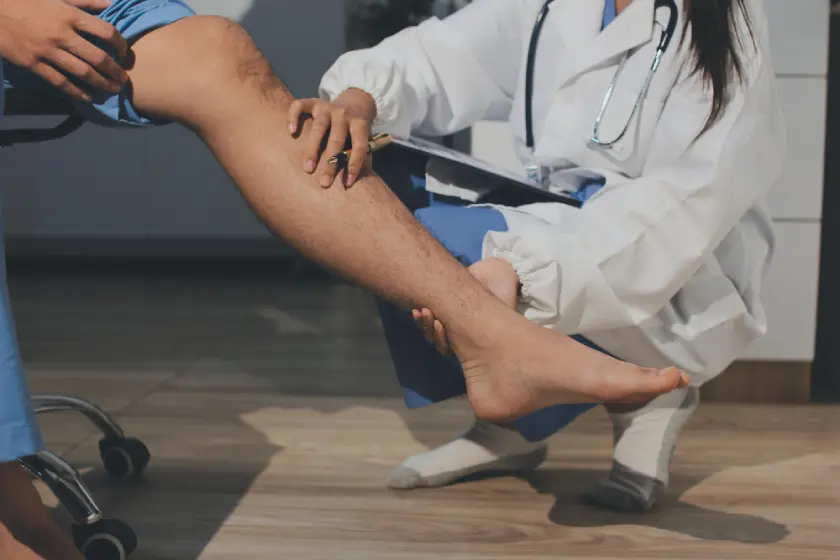
Poor blood circulation in the legs is something many patients mention, but rarely as their main complaint.
It usually comes up in passing. Someone says their legs feel heavy in the evening, or that there is mild swelling that goes away after rest. Some say they feel a strange tiredness in the legs even without doing much.
In quite a few cases, these symptoms have been there for a long time. They just did not seem serious enough to look into.
The thing with poor blood circulation is that it develops slowly. Because of that, it is often ignored until it starts affecting daily comfort more noticeably.
What Causes Poor Blood Flow in Legs?
When we talk about what causes poor blood flow, it is usually not a single issue.
In some patients, the arteries that supply blood to the legs become narrow over time. This is more common in people with diabetes, high cholesterol, or long-standing smoking history. Reduced blood flow means the muscles and tissues are not getting what they need.
In other cases, the issue is on the return side. The veins are not able to push blood back effectively towards the heart. So blood tends to collect in the lower legs. This is a common reason for blood circulation problems in legs.
Then there are everyday habits. Long hours of sitting, especially without movement, can slow circulation. Even something as simple as reduced walking over time makes a difference.
Signs and Symptoms of Poor Blood Circulation
Poor blood circulation symptoms are often mild at first, which is why they are easy to miss.
Patients may feel heaviness in the legs or a kind of dull discomfort. Some describe tingling or say their legs feel different by the end of the day.
As the condition progresses, swelling may appear. The skin may start looking slightly darker or feel cooler than usual.
In more advanced cases, patients may notice that even small cuts or skin changes take longer to heal.
Leg Swelling and Circulation Problems: What’s the Connection?
Leg swelling circulation problems are closely related, although patients often see them as separate.
When blood does not flow efficiently, fluid begins to collect in the lower legs. This is why swelling is commonly seen around the ankles.
A pattern many patients describe is that swelling increases during the day and reduces after lying down. That pattern itself suggests that circulation is involved.
Why Better Blood Circulation Matters for Overall Health?
Better blood circulation is not just about avoiding swelling or discomfort.
Blood carries oxygen and nutrients to tissues. It also helps remove waste products. When circulation is not adequate, these processes slow down.
Over time, this affects healing, energy levels, and even muscle function. In elderly patients, especially, it can gradually affect mobility.
How to Improve Blood Circulation in Legs Naturally
When patients ask how to improve blood circulation in legs, the starting point is usually simple.
Regular movement makes a noticeable difference. Walking helps the leg muscles push blood back towards the heart.
Avoiding long periods of sitting without movement is equally important. Even small breaks during the day help improve blood flow.
Hydration, maintaining a healthy weight, and reducing excess salt intake also support better blood circulation, although these changes take time to show results.
See how these tips can help relieve your poor circulation:
Effective Ways to Improve Circulation in Legs
There are several ways to improve circulation in legs, but what works best depends on the underlying cause.
Some patients improve with lifestyle changes alone. Others may need additional support if symptoms have been present for longer.
Compression stockings are often recommended. Many patients are initially unsure about them, but they help improve blood flow and reduce swelling.
Best Exercises for Blood Circulation in Legs
Exercise for blood circulation in legs does not need to be intense or complicated.
Walking is usually the first recommendation. It is simple and effective when done regularly.
Ankle movements, leg raises, and light stretching exercises are also helpful. These are especially useful for people who spend long hours sitting.
The idea is to keep the legs active rather than completely still for long periods.
A playlist of these exercises can be seen here:
Medical Treatments for Blood Circulation Problems
When symptoms are more pronounced, blood circulation treatment may be required.
This can include medications to improve blood flow or to manage conditions such as diabetes, hypertension, or high cholesterol.
In some cases, further evaluation may show blockages or significant vascular issues. In such situations, procedures may be considered to restore proper blood flow.
When to Consult a Specialist for Poor Blood Flow?
It is better to seek medical advice when symptoms become persistent or start worsening.
Ongoing swelling, discomfort, or visible changes in the legs should not be ignored.
Early evaluation helps identify the cause and allows treatment to be started before complications develop.
Conclusion
Poor blood circulation in the legs is quite common, but it is often overlooked in the early stages.
In many cases, it can be managed with simple changes if identified early. In others, medical treatment becomes necessary.
The important part is paying attention to the symptoms and not dismissing them as routine.
Frequently Asked Questions
Regular walking, movement, hydration, and compression support can help improve circulation.
Take short breaks, move your legs, and do ankle exercises to keep blood flowing.
Leg elevation, walking, and reducing salt intake can help reduce swelling.
Heaviness, swelling, tingling, and slower healing are commonly seen.
Yes, regular exercise helps improve circulation and reduce symptoms.
Treatment depends on the cause and may include lifestyle changes, medication, or procedures.

Dr. Sumit Kapadia
MBBS, MS, MRCS, DNB-Fellow