

It often begins quietly. A patient walks in complaining of dull abdominal pain after meals, mild bloating, or unexplained fatigue. They have been to several clinics, tried antacids, and even changed their diet, yet the discomfort lingers.
For many such cases, the problem lies not in the stomach but in the blood vessels that feed it — the portal and mesenteric veins. These silent lifelines supply blood to the intestines and digestive organs, and when they are affected, it can lead to a group of serious yet often overlooked conditions known as portal mesenteric vascular diseases.
Early recognition is crucial. The symptoms might seem harmless at first, but if ignored, these conditions can escalate into life-threatening complications such as mesenteric ischemia or portal vein thrombosis. Understanding the early warning signs can make the difference between a manageable condition and a medical emergency.
What is Portal Mesenteric Circulation?
The portal mesenteric circulation refers to a vital network of veins that collect blood from the intestines, stomach, spleen, and pancreas, and channel it to the liver for filtration. The main vessels involved are the portal vein and the mesenteric veins.
When these veins become blocked or narrowed due to a clot or other vascular issues, blood flow is disrupted. This can lead to two major conditions:
- Portal vein thrombosis: A clot forms in the portal vein, obstructing blood flow to the liver.
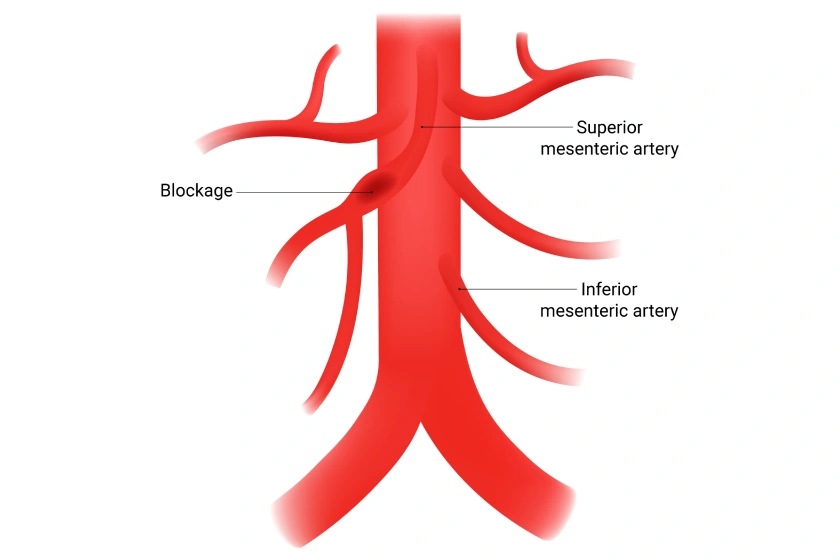
- Mesenteric ischemia: Reduced blood flow in the mesenteric arteries or veins that supply the intestines.
Both these disorders fall under portal mesenteric vascular diseases, and while they are uncommon, their incidence is rising due to lifestyle factors, liver diseases, and clotting disorders.
Common Early Warning Signs
The early symptoms of portal mesenteric vascular diseases can be subtle, but recognizing them early can prevent serious outcomes. Some of the common warning signs include:
Persistent abdominal pain after meals
Pain that begins 30 to 60 minutes after eating and subsides later may indicate mesenteric ischemia. It occurs when the intestines do not receive enough blood flow during digestion.
Unexplained weight loss
Patients often reduce food intake due to pain, leading to gradual and unexplained weight loss.
Abdominal swelling or fullness
In portal vein thrombosis, blood backs up into nearby veins, causing abdominal distension and sometimes fluid accumulation, also known as ascites.
Fatigue and loss of appetite
Reduced nutrient absorption and poor circulation can make patients feel persistently tired and drained.
Vomiting or gastrointestinal bleeding
In severe or chronic stages, bleeding from dilated veins in the stomach or esophagus can occur, which is a serious sign of portal hypertension.
Changes in bowel habits
Irregular bowel movements, bloating, or diarrhea after eating may also point to early vascular compromise.
Ignoring these signs can lead to intestinal infarction, a condition where intestinal tissue starts dying due to a lack of blood supply. This is a true medical emergency.
Risk Factors That Increase Chances
Several underlying conditions increase the likelihood of developing portal vein thrombosis or mesenteric ischemia.
- Chronic liver disease or cirrhosis is the most common cause of portal vein thrombosis in India.
- Clotting disorders can make the blood more prone to clotting, increasing the risk of vascular obstruction.
- Abdominal infections or inflammation, such as pancreatitis or diverticulitis, can damage nearby vessels.
- Recent abdominal surgery may disturb normal blood flow or cause injury to the veins.
- Cancers of the liver or pancreas can compress or invade nearby vessels.
- Dehydration and prolonged immobilization may cause sluggish blood flow, allowing clots to form.
- Lifestyle factors such as smoking, obesity, and high-fat diets increase vascular stress.
If you have any of these risk factors along with early symptoms, timely consultation with a portal mesenteric vascular disease specialist becomes essential.
When to Seek Medical Attention
While mild abdominal pain might not seem alarming, persistent or worsening discomfort should never be ignored, especially if it is associated with eating, swelling, or vomiting.
You should seek immediate medical help if you experience:
- Severe abdominal pain that feels disproportionate to your physical condition
- Vomiting blood or passing black stools
- Sudden abdominal swelling
- Fever with abdominal tenderness
- Rapid unexplained weight loss
A vascular surgeon can evaluate your condition using imaging tests such as Doppler ultrasound, CT angiography, or MRI. Early detection enables appropriate treatment for mesenteric ischemia or portal vein thrombosis, which may include anticoagulant therapy, thrombolysis for clot removal, or minimally invasive vascular procedures.
Chronic cases may require long-term chronic portal vein thrombosis treatment involving medications and lifestyle modification to prevent recurrence.
At a portal mesenteric vascular disease center, multidisciplinary teams work together to manage both acute and chronic cases, aiming to restore healthy blood flow and prevent complications.
Conclusion
The early warning signs of portal mesenteric vascular diseases are often hidden behind everyday digestive complaints. But beneath the surface, these subtle signals can be the body’s way of warning that the intestines and liver are not getting enough blood flow. Awareness, early diagnosis, and timely medical attention can prevent severe complications like intestinal gangrene or liver failure.
If you experience persistent abdominal pain, unexplained bloating, or sudden weight loss, do not delay. Consult an expert vascular specialist immediately.
Dr. Sumit Kapadia, one of India’s leading vascular and endovascular surgeons, has extensive experience in diagnosing and managing complex vascular disorders, including portal vein thrombosis and mesenteric ischemia. With advanced diagnostic tools and cutting-edge vascular interventions, his center provides comprehensive care for all types of portal mesenteric vascular diseases, ensuring patients receive the best possible outcomes.
Frequently Asked Questions
Common early signs include abdominal pain after meals, bloating, weight loss, fatigue, and changes in bowel habits. Some patients also experience abdominal swelling or vomiting blood in later stages.
Yes. If untreated, conditions like mesenteric ischemia or portal vein thrombosis can cause severe intestinal damage, internal bleeding, or liver complications that can become life-threatening.
Yes. With early detection and expert medical care, most cases can be managed effectively. Treatments include anticoagulant therapy, endovascular interventions, and, in chronic cases, chronic portal vein thrombosis treatment to restore normal blood flow.

Dr. Sumit Kapadia
MBBS, MS, MRCS, DNB-Fellow