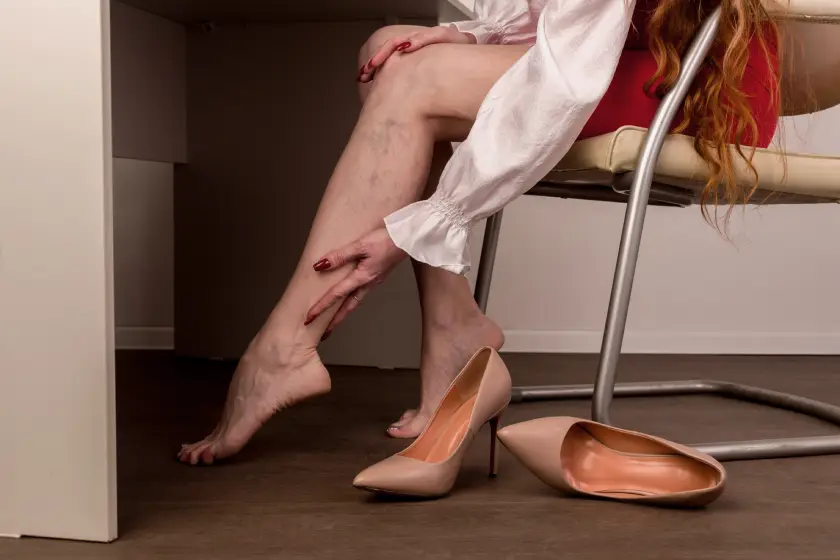
Many people assume varicose veins appear suddenly, but in reality, they develop slowly over the years.
The real problem begins much deeper in the legs, long before the bulging veins become visible. This underlying condition is called chronic venous insufficiency, and it affects millions of people, often without them realizing why their legs feel heavy, achy, or swollen at the end of the day.
As a vein specialist in Surat, I often meet patients who blame age, standing for long hours, or simple tiredness for their leg symptoms.
But once we examine them, we find that weakened valves in the leg veins are the true cause. Understanding how chronic venous insufficiency works can help you recognise early warning signs and get proper treatment before symptoms worsen.
Let’s break it down clearly and simply.
Venous Insufficiency in the Legs: The Basics
Your leg veins have one important job: to push blood upward from your feet back toward your heart. Since blood has to move against gravity, veins are equipped with tiny one-way valves. These valves open to allow blood to move up and close to prevent it from flowing backward.
In chronic venous insufficiency (CVI), these valves become weak or damaged. Once this happens, blood starts pooling in the lower legs instead of moving upward. This increases pressure inside the veins, leading to swelling, discomfort, and eventually varicose veins.
At first, the changes are subtle, maybe just heaviness in the legs or mild ankle swelling. Over time, the condition progresses if untreated.
Venous Insufficiency Causes
Chronic venous insufficiency doesn’t come from a single cause. Instead, several factors increase the risk:
Genetics
If your parents or siblings have varicose veins, your chances are much higher.
Standing or sitting for long hours
Teachers, shopkeepers, nurses, and office workers often develop venous insufficiency because their legs stay in one position for too long.
Pregnancy
Increased blood volume and hormonal changes make the valves more prone to weakening.
Age
As you grow older, valves in the veins can naturally wear down.
Obesity
Extra pressure on the legs slows blood flow.
History of DVT
A previous clot can damage the vein valves permanently.
Lack of physical activity
Calf muscles play a key role in pumping blood upward. Weak muscles mean weaker circulation.
Venous Insufficiency Symptoms You Should Not Ignore
Many patients ignore the early signs of venous insufficiency because they seem harmless at first. But recognizing them early can prevent complications.
Common symptoms include:
- Heavy or aching legs
- Swelling of the ankles or feet
- Cramping or throbbing at night
- Itching around the veins
- Visible varicose veins or spider veins
- Tightness or hardness of the skin
- Darkening or discoloration around the ankles
- Slow-healing wounds near the lower legs
If you notice any of these symptoms, especially if they worsen by evening, it’s important to get an evaluation.
Chronic Venous Insufficiency Stages and Chronic Venous Disease
Chronic venous insufficiency progresses in stages, known as the CEAP classification. This helps doctors assess how advanced your venous disease is.
- C0 No visible signs, but symptoms like heaviness may be present.
- C1 Spider veins or small reticular veins.
- C2 Visible varicose veins.
- C3 Leg swelling becomes a daily issue.
- C4 Skin changes such as dark pigmentation or eczema.
- C5 Healed venous ulcers.
- C6 Active, open venous ulcers.
The earlier you intervene, the easier it is to treat the condition and prevent complications like ulcers, infections, or chronic pain.
How Chronic Venous Insufficiency Leads to Varicose Veins
When valves in the veins stop working properly, blood flows backward and collects in the veins. This increases pressure, stretching the vein walls. Over time, the veins become enlarged, twisted, and visible through the skin. These are the varicose veins most people notice.
But varicose veins are only the surface-level manifestation. The true problem lies deeper in the venous system. Treating venous insufficiency, rather than just the visible veins, is the key to long-lasting results.
Venous Insufficiency Treatment Options
Treatment depends on the stage of CVI and the severity of your symptoms. Modern medicine offers several highly effective, minimally invasive options.
Lifestyle changes
Weight loss, regular walking, leg elevation, and avoiding long hours of standing can slow the progression.
Compression stockings
These help push blood upward and reduce swelling.
Endovenous laser treatment (EVLT)
A laser fibre is inserted into the faulty vein to close it permanently. It is quick, safe, and performed under local anesthesia.
Radiofrequency ablation (RFA)
Similar to EVLT, but uses radiofrequency heat instead of laser.
Sclerotherapy
Ideal for smaller veins. A medical solution is injected to close the abnormal vein.
Foam sclerotherapy
Used for larger veins when needed.
Surgical stripping
Rarely needed today but still an option in advanced cases.
Chronic Venous Insufficiency Treatment: When to Intervene
You should consider treatment if:
- Symptoms are affecting your daily life
- Swelling persists despite lifestyle changes
- You develop skin discoloration
- Varicose veins become painful
- You notice signs of venous ulcers
- You have recurrent infections or inflammation
Early intervention not only relieves symptoms but also prevents chronic pain, skin damage, and long-term complications.
Preventing Progression of Venous Insufficiency in the Legs
To keep the condition from worsening, simple habits can make a big difference.
- Walk regularly and keep your calf muscles active
- Maintain a healthy weight
- Avoid sitting or standing for long hours
- Keep your legs elevated when resting
- Wear compression stockings if advised
- Stay hydrated and avoid smoking
These steps support healthier circulation and reduce stress on your leg veins.
Conclusion
Chronic venous insufficiency is a slow-developing condition that often goes unnoticed until symptoms become difficult to ignore.
Understanding how it leads to varicose veins can help you take action early, reduce discomfort, and protect your long-term leg health. With modern treatments and the guidance of an experienced vein specialist, most people experience significant relief and improved quality of life.
Frequently Asked Questions
Treatment ranges from lifestyle changes and compression stockings to minimally invasive procedures like EVLT, RFA, or sclerotherapy.
A diet rich in fibre, antioxidants, and flavonoids can improve vein strength and reduce inflammation.
Diosmin, hesperidin, and horse chestnut extract are commonly used, but speak to your doctor before starting any supplement.
Venoactive drugs such as flavonoids may help reduce swelling and heaviness.
Yes. If untreated, it can progress to skin damage, venous ulcers, infections, and severe varicose veins. Early treatment is always recommended.

Dr. Sumit Kapadia
MBBS, MS, MRCS, DNB-Fellow