

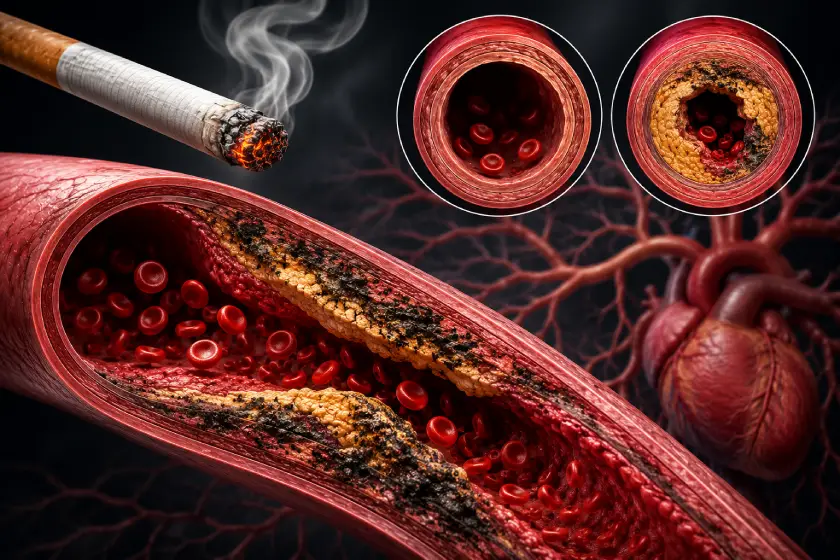
Most people connect smoking with lung disease first. What often gets missed is how quickly smoking starts affecting the blood vessels.
In my clinic, many smokers are surprised when circulation problems show up earlier than expected. Some notice leg pain while walking. Others complain of heaviness, cold feet, or getting tired more easily than before.
The reason is simple. Smoking not only affects breathing, but it also directly damages vascular health by narrowing blood vessels, reducing oxygen supply, and making circulation less efficient over time.
What makes this difficult is that the damage usually develops quietly. By the time symptoms become obvious, changes inside the blood vessels may already be significant.
What Is a Blood Vessel and Why Is It Important?
A blood vessel is part of the body’s circulation system that carries blood from one place to another.
These vessels are responsible for supplying oxygen and nutrients to tissues and organs. They also help remove waste products from the body.
Good vessel health is important because every organ depends on proper blood flow. When circulation becomes restricted, different parts of the body start showing symptoms in different ways.
Understanding Different Blood Vessel Types and Their Functions
There are different blood vessel types in the body, and each one plays a specific role.
Some carry oxygen-rich blood away from the heart, while others bring blood back after circulation through the body. Smaller vessels help exchange oxygen and nutrients directly with tissues.
When smoking affects this system, circulation gradually becomes less efficient.
Arteries, Veins, and Capillaries Explained
Arteries carry blood away from the heart under pressure. Veins bring blood back towards the heart after oxygen has been delivered to tissues.
Capillaries are extremely small blood vessels that connect arteries and veins. This is where oxygen and nutrients actually move into tissues.
All of these blood vessel types work together continuously to maintain circulation.
The Arteries of the Heart and Their Role in Circulation
The arteries of the heart supply oxygen directly to the heart muscle itself.
The 4 major blood vessels of the heart are essential for maintaining circulation and proper cardiac function. When smoking damages these vessels, the heart receives less oxygen over time.
This process usually happens gradually. Fatty deposits begin collecting inside the arteries, eventually increasing the risk of a blocked blood vessel.
How Smoking Impacts Vessel Health from Day One
Smoking starts affecting blood vessels much earlier than most people think.
Nicotine causes blood vessels to tighten almost immediately. At the same time, chemicals present in cigarette smoke irritate and damage the inner lining of the vessels.
Over time, this makes the arteries less flexible and more prone to plaque buildup. Blood also becomes more likely to clot, which further increases the strain on circulation.
Which Blood Vessels Are Most Affected by Smoking?
Smoking affects blood vessels throughout the body, but arteries tend to suffer the most damage.
The arteries supplying the heart, brain, and legs are especially vulnerable. This is why smokers are at higher risk of heart disease, stroke, and circulation problems in the lower limbs.
In some patients, symptoms begin in the legs long before any heart symptoms appear.
How Smoking Restricts Blood Flow to the Heart
One of the major effects of smoking is reduced blood flow to the heart muscle.
As the arteries become narrower, less oxygen-rich blood is able to reach the heart. This may initially cause fatigue or chest discomfort during activity.
If narrowing becomes severe, the risk of a heart attack increases significantly.
Early Warning Signs of Blood Vessel Damage in Smokers
The early signs are not always dramatic, which is why they are often ignored.
Some patients notice numbness in the feet or cold hands. Others feel heaviness in the legs while walking or realize they are getting tired much faster than before.
Poor healing is another sign doctors pay attention to. Cuts or wounds that take unusually long to heal may point towards circulation problems.
Is Cleaning Blood Vessels Possible After Years of Smoking?
Many patients ask whether cleaning blood vessels or unclogging arteries is actually possible after smoking for years.
The body does begin recovering once smoking stops, and circulation often improves gradually. However, existing plaque buildup may not completely disappear on its own.
This is why early lifestyle changes matter. Quitting smoking, improving diet, exercising regularly, and controlling diabetes or cholesterol can slow progression and support better vessel health.
When Does a Blocked Blood Vessel Require Surgery or Medical Treatment?
Not every blocked blood vessel requires surgery immediately.
Some patients improve with medications and lifestyle changes, especially when narrowing is detected early. In more severe cases, procedures may be needed to restore blood flow properly.
Blood vessel surgery is usually considered when circulation is significantly reduced or symptoms start affecting daily activities.
Steps to Protect Your Blood Vessels After Quitting Smoking
Stopping smoking is one of the most important decisions for long-term vessel health.
The improvement is not instant, but the body does begin repairing itself gradually. Blood circulation becomes better, and the risk of further damage starts decreasing over time.
Protecting blood vessels after quitting also involves consistency with lifestyle habits.
Diet, Exercise, and Heart-Healthy Habits
Diet plays a major role in supporting healthier circulation.
Regular exercise improves blood flow and helps keep the arteries of the heart healthier over time. Managing stress, maintaining healthy blood pressure, and controlling diabetes are equally important.
Patients often expect one major fix, but in reality, smaller habits followed consistently make the biggest difference.
Conclusion
Smoking damages blood vessels much earlier than most smokers realize.
The effects are gradual, which makes them easy to ignore in the beginning. But over time, circulation problems, narrowing of arteries, and reduced blood flow begin affecting multiple parts of the body.
The good news is that vessel health can still improve after quitting smoking. Early action and consistent lifestyle changes can make a significant difference in reducing long-term complications.
Frequently Asked Questions
Quitting smoking, regular exercise, healthy eating, and controlling blood pressure and diabetes are important for improving vascular health.
Doctors may use Doppler studies, CT angiography, blood tests, and physical examination to assess circulation and identify blockages.
Smoking begins affecting blood vessels almost immediately by narrowing them and damaging their inner lining.
Blood vessel surgery may be recommended when severe narrowing significantly affects blood flow, or symptoms continue despite treatment.
The main blood vessel types are arteries, veins, and capillaries.

Dr. Sumit Kapadia
MBBS, MS, MRCS, DNB-Fellow