

Blocked arteries are one of the most common underlying causes of heart attacks and strokes, yet they often develop silently over time. What starts as a gradual buildup inside the blood vessels can eventually interfere with normal circulation and affect vital organs.
This article focuses on the causes of a blocked artery, the early signs of blocked arteries that are often missed, and how symptoms of clogged arteries present differently in different individuals.
It also explains how cholesterol impacts artery health and outlines practical changes, including the best ways to reduce cholesterol and a diet for blocked arteries.
What Does It Mean to Have Blocked Arteries?
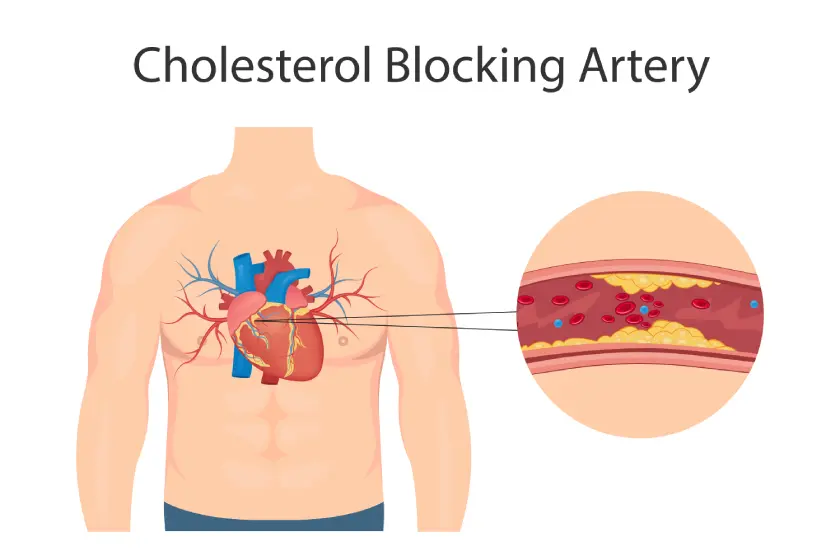
Blocked arteries occur when cholesterol, fatty deposits, and other substances accumulate along the inner walls of blood vessels. This buildup forms plaque, which gradually reduces the space through which blood can flow. As the narrowing progresses, it limits oxygen supply to tissues and increases strain on the heart.
This condition, known as atherosclerosis, does not present overnight. It evolves slowly and can remain silent for years, which is why early detection plays a key role in preventing complications such as a heart attack or stroke.
What Causes Arteries to Get Clogged?
The causes of a blocked artery are usually a combination of lifestyle habits and underlying medical conditions. High levels of LDL cholesterol are one of the main contributors, as they promote plaque formation within the arterial walls. Conditions such as diabetes and hypertension damage the inner lining of arteries, making it easier for deposits to accumulate.
Smoking, lack of physical activity, and diets high in unhealthy fats further accelerate this process. Over time, these factors work together to reduce arterial flexibility and impair circulation.
Early Warning Signs of Blocked Arteries
The signs of blocked arteries are often subtle in the beginning and may not be consistent. Many individuals notice reduced stamina, mild breathlessness, or discomfort during physical activity that improves with rest. These symptoms are frequently ignored or attributed to fatigue.
As the blockage progresses, symptoms become more defined. Chest discomfort, especially during exertion, is a common sign when heart arteries are involved. In some cases, reduced blood flow to the brain may present as dizziness or brief visual disturbances. Blocked arteries in leg may cause pain on walking which is often dismissed as aging.
In this video, I have explained the hidden signs of blocked arteries:
Common Symptoms of Clogged Arteries in Men and Women
The symptoms of clogged arteries can vary between individuals. Men are more likely to experience classic symptoms such as chest pain or pressure, particularly during activity. Women, however, often present with less typical symptoms such as fatigue, nausea, or discomfort in the upper body.
Shortness of breath, irregular heartbeat, and unexplained weakness are also commonly seen. Recognizing these differences is important because delayed diagnosis is often linked to atypical presentations.
Risk Factors That Increase Your Chances of Artery Blockage
Several factors increase the risk of developing blocked arteries, and many of them are modifiable. Age is one of the strongest contributors, as arteries gradually lose elasticity over time. A family history of heart disease can also increase susceptibility.
Lifestyle factors such as smoking, physical inactivity, and poor dietary habits significantly raise the risk. Conditions like obesity, diabetes, and high blood pressure further accelerate plaque buildup and worsen overall vascular health.
How Cholesterol Affects Your Arteries and Heart Health
Cholesterol plays a central role in arterial blockage. Excess LDL cholesterol tends to deposit along the inner lining of arteries, leading to plaque formation and gradual narrowing. Over time, this restricts blood flow and increases the risk of serious cardiovascular events.
HDL cholesterol, on the other hand, helps remove excess cholesterol from the bloodstream and supports healthier circulation. Maintaining a balance between these two is essential for preserving heart health.
Best Ways to Reduce Cholesterol Naturally
The best ways to reduce cholesterol focus on long-term consistency rather than short-term changes. Regular physical activity helps improve circulation and supports better cholesterol balance. Even moderate exercise done consistently can have a measurable impact.
Dietary changes are equally important. Reducing processed foods, increasing fiber intake, and choosing healthier fats can significantly improve lipid levels. Avoiding smoking and managing stress also play a role in maintaining stable cardiovascular health.
Diet for Blocked Arteries Foods That Help Unclog Arteries
A well-planned diet for blocked arteries focuses on reducing plaque buildup and improving circulation. The goal is not just to avoid harmful foods but to actively include foods that unclog arteries and support vascular health.
Making consistent dietary changes over time can help slow down the progression of arterial blockage and improve overall heart function.
Foods That Lower Cholesterol
Foods that lower cholesterol include those rich in soluble fiber and healthy fats. Oats, legumes, fruits, and vegetables help reduce LDL cholesterol by limiting its absorption in the bloodstream. Nuts and seeds provide beneficial fats that support heart health.
Including these foods regularly in meals helps maintain healthier cholesterol levels and reduces the risk of further plaque buildup.
Best Foods for Heart Health
The best foods for heart health include fatty fish, olive oil, leafy greens, and whole grains. These foods support better circulation, reduce inflammation, and improve overall vascular function. Diets rich in these components are associated with a lower risk of cardiovascular disease.
Consistent intake of such foods helps strengthen the cardiovascular system and supports long-term arterial health.
Foods to Avoid with Blocked Arteries
Certain foods contribute directly to plaque buildup and should be limited or avoided. These include processed foods, deep-fried items, sugary beverages, and foods high in trans fats. Excessive salt intake can also worsen blood pressure, further straining the arteries.
Avoiding these foods is as important as including healthy options, as both factors work together to influence disease progression.
Prevention Tips to Keep Your Arteries Healthy
Preventing blocked arteries requires a combination of lifestyle awareness and regular health monitoring. Maintaining a healthy weight, staying physically active, and following a balanced diet are fundamental steps. Regular screening for blood pressure, cholesterol, and blood sugar levels helps detect early changes.
Avoiding smoking and limiting alcohol intake further reduces the risk. Small, consistent habits over time have a significant impact on maintaining healthy circulation and preventing complications.
Conclusion
Blocked arteries develop gradually, but their impact can be sudden and severe if left unaddressed. The body often gives early signals, but recognizing them requires attention and awareness. Understanding the causes of a blocked artery and making timely changes can prevent progression to more serious conditions.
Long-term heart health is not built through isolated efforts but through consistent daily choices. Focusing on the right diet for blocked arteries, staying active, and managing risk factors can help maintain healthy circulation and reduce the likelihood of future complications.
Frequently Asked Questions
Blocked arteries can often be managed with lifestyle changes such as a healthy diet, regular exercise, and cholesterol control, although medical treatment may be required in advanced cases. It is also important to note that these measures are unlikely to completely remove the blockages.
The causes of a blocked artery include high cholesterol, smoking, diabetes, high blood pressure, and unhealthy lifestyle habits.
Early warning signs of blocked heart arteries include fatigue, breathlessness, chest discomfort, dizziness, and reduced physical stamina. Leg artery blockage signs may be only pain or discomfort in legs on walking for a particular distance.
Foods that unclog arteries include fiber-rich foods, nuts, seeds, fatty fish, and foods that lower cholesterol, such as oats and legumes. However, medically, these foods may help keep the endothelium healthy and plaque stable; they may not cause total regression of existing severe blockages. Always consult your treating doctors and do not discontinue standard medical treatment while opting for these natural methods.
Yes, untreated blocked arteries can lead to serious conditions such as heart attack, stroke, and reduced blood flow to vital organs. In the legs, critical limb ischemia can lead to gangrene, infection and often major amputation.
When multiple arteries are blocked, it significantly increases the risk of severe cardiovascular events and may require advanced medical or surgical intervention.

Dr. Sumit Kapadia
MBBS, MS, MRCS, DNB-Fellow