


Varicose veins are a common condition that affects many people, particularly as they age. These veins appear as swollen, twisted, or bulging veins, often blue or purple in color, and are most commonly found in the legs. While there are a number of factors that can contribute to the development of varicose veins, many people wonder if the condition is hereditary. In this blog post Dr. Sumit Kapadia a senior Varicose Vein Specialist & Vascular Surgeon explains a closer look at the link between varicose veins and genetics.
First, it’s important to understand that varicose veins are primarily caused by a dysfunction in the valves within the veins. Normally, these valves help to prevent blood from flowing backward, or refluxing, in the veins. However, when the valves weaken or become damaged, blood can flow in the wrong direction, causing the veins to become enlarged and twisted.
While there are a number of factors that can contribute to the development of weak or damaged valves, research has shown that genetics may play a role. Dr Sumit Kapadia in his practice as a Varicose Vein specialist from the last 16 years as well as studies have found that individuals with a family history of varicose veins are at an increased risk of developing the condition themselves. In fact, one study published in the Journal of the American Medical Association (https://www.ahajournals.org/doi/10.1161/CIRCULATIONAHA.118.035584) (https://www.ahajournals.org/doi/10.1161/01.atv.0000107080.48969.64) found that individuals with a first-degree relative (such as a parent or sibling) with varicose veins were more than twice as likely to develop the condition compared to those without a family history.
However, while genetics may increase one’s risk for varicose veins, it’s important to note that other factors can also contribute to the condition. For example, prolonged standing or sitting, obesity, pregnancy, and a history of blood clots can all increase the pressure on the veins, leading to weakened or damaged valves. Lifestyle factors such as smoking and a lack of physical activity can also contribute to the development of varicose veins.
It’s also worth noting that not all individuals with a genetic predisposition to varicose veins will develop the condition. However, if you have a family history of varicose veins, it’s important to be aware of the potential risk and take steps to reduce your chances of developing the condition. This may include maintaining a healthy weight, engaging in regular physical activity, avoiding prolonged periods of sitting or standing, wearing compression stockings and keeping legs elevated to help support the veins and improve blood flow.
Dr Sumit Kapadia a senior Varicose Vein Specialist & Vascular Surgeon further explains What are the Varicose Vein & what all types of treatment options are available.
Varicose veins are a common condition that can cause discomfort, pain, and embarrassment for many individuals. Fortunately, there are a number of effective treatment options available for varicose veins like:
Lifestyle changes:
In some cases, making lifestyle changes can help to alleviate symptoms and prevent varicose veins from worsening. This may include engaging in regular exercise, maintaining a healthy weight, avoiding prolonged periods of sitting or standing, and wearing compression stockings.
Sclerotherapy:
Sclerotherapy is a minimally invasive procedure that involves injecting a solution into the affected veins. This causes the veins to collapse and eventually disappear. Sclerotherapy is typically used to treat smaller varicose veins or spider veins.
Endovenous laser therapy (EVLT):
EVLT is a minimally invasive procedure that uses laser energy to heat and collapse the affected veins. In this modern technique, a small laser fiber is passed through a small needle hole, directly into the vein. So this technique does not need any major cuts or stitches. This treatment is often used to treat large varicose veins and can be performed by the varicose vein specialist with rapid recovery.
Also read: Top 8 Myths & Facts About Varicose Veins
Radiofrequency ablation:
Radiofrequency ablation is a minimally invasive procedure that uses radiofrequency energy to heat and collapse the affected veins. Like EVLT, this treatment is typically used to treat larger varicose veins.
Vein stripping and ligation:
Vein stripping and ligation is a surgical procedure that involves removing the affected vein through a small incision in the skin. This procedure is typically reserved for more severe cases of varicose veins.
In concluding note Dr. Sumit Kapadia, Varicose Vein Specialist says that It’s important to note that the most appropriate treatment for varicose veins will depend on the individual’s specific symptoms and medical history. If you are experiencing discomfort or pain from varicose veins, be sure to talk to varicose vein specialists about the best treatment options for you. In many cases, a combination of lifestyle changes and medical treatments can help to alleviate symptoms and improve vein health.
Conclusion
While varicose veins are a common condition that can be caused by a variety of factors, including genetics, it’s important to remember that there are steps you can take to reduce your risk. By staying active, maintaining a healthy weight, and taking other preventative measures, you can help keep your veins healthy and reduce your risk of developing varicose veins. If you do develop varicose veins, there are a number of treatment options available, including lifestyle changes, compression stockings, and medical procedures. Be sure to talk to your healthcare provider if you have concerns about your vein health.
Follow us on YouTube
![🚨 Leg swelling aur brown patches sirf skin problem nahi hai — ye varicose veins ya chronic venous insufficiency ka serious warning sign ho sakta hai!Vascular disease symptoms mein leg swelling, skin discoloration, aur venous insufficiency sabse common hain.Jab veins properly kaam nahi karti, blood neeche pool hota hai — causing dark brown patches (hemosiderin staining), swelling aur heaviness.
Ye vein disease early detect karna zaroori hai warna ulcers aur permanent damage ho sakta hai.Vein specialist se zaroor milein!🩸 Leg Mein Swelling aur Brown Patches — Kya Hai Asli Reason?Jab leg veins ki valves weak ya damaged ho jaati hain, blood backwards flow karta hai — ise Chronic Venous Insufficiency (CVI) kehte hain.Ye causes karta hai:✅ Hemosiderin Staining — Blood cells leak hoke skin mein iron deposit karte hain = brown/dark patches
✅ Edema (Swelling) — Fluid tissues mein build-up hota hai
✅ Skin Hardening (Lipodermatosclerosis) — Chronic inflammation se skin tight aur dark ho jaati hai
✅ Varicose Veins — Twisted, bulging visible veins
✅ Venous Ulcers — Untreated raha toh open wounds bhi ho sakte hain⚠️ Ye Symptoms Kabhi Ignore Mat Karein:🔴 Pair mein ek side mein zyada swelling
🔴 Ankles ke around brown ya reddish-brown skin
🔴 Shaam ko legs heavy feel hona
🔴 Varicose ya spider veins visible hona
🔴 Itching ya burning sensation in legs✅ Ghar Par Kya Kar Sakte Ho? (Early Stage Relief)🌟 Compression Stockings — Blood pooling rokne ka #1 solution
🌟 Leg Elevation — Din mein 2-3 baar 15 minutes pair upar rakhein
🌟 Daily Walking — Calf muscles = aapka second heart
🌟 Salt Intake Kam Karein — Fluid retention control ke liye
🌟 Doctor Se Milein — Vascular surgery ya sclerotherapy ki zaroorat ho sakti hai🏥 Medical Treatments (Doctor Se Poochein):
Sclerotherapy (Spider & small varicose veins)
Endovenous Laser Treatment (EVLT)
Vascular Surgery (Severe cases)
Compression Therapy🔹SEO-OPTIMIZED SUMMARYIn this video, Dr Sumit Kapadia, Vascular & Endovascular Surgeon, explains [Primary Keyword: e.g., Varicose Veins Treatment / Peripheral Artery Disease / Blood Circulation / Leg Swelling Causes] and how vascular health affects overall circulation and healthy aging.Learn about causes, symptoms, risk factors, treatment options, and when to seek medical evaluation.🔹 VALUE BULLETS (IMPROVES WATCH TIME + SEO)In this video, you will understand:• What is [condition]
• Common causes of [condition]
• Symptoms you should not ignore
• Risk factors (diabetes, hypertension, cholesterol, smoking)
• When lifestyle changes may help
• When medical or surgical treatment may be required
• How vascular health influences long-term well-being🔹 EDUCATIONAL DISCLAIMERThis video is for educational and awareness purposes only.It does NOT provide personalized medical advice, diagnosis, or treatment.
Watching this video does not establish a doctor–patient relationship.For individualized evaluation or treatment recommendations, please consult your doctor or book a formal teleconsultation.In case of emergency, seek immediate medical care at the nearest hospital.🔹 TELECONSULTATION INFORMATIONDr Sumit Kapadia
MBBS, MS (General Surgery), FNB (Vascular & Endovascular Surgery)
Vascular & Endovascular Surgeon
Gujarat Medical Council Registration No: G 27582Formal telemedicine consultations are available and conducted in accordance with applicable Indian medical guidelines.📍 Aadicura Superspeciality Hospital, Vadodara, Gujarat, India
📞 Hospital Phone: 8980500032/ 8980553311
📲 Teleconsult Booking (WhatsApp): 7201014017
🌐 Website: https://www.drsumitkapadia.com/📧 Email: info@drsumitkapadia.com🔹 COURSE (If Relevant to Video)If you want structured, in-depth education on vascular health and preventive circulation care, explore our educational programs here:[Course Link]Note: Courses are educational in nature and do not replace medical consultation.🔹DR SUMIT KAPADIA'S EXPERTISEThis channel provides evidence-based education on:• Varicose veins
• Peripheral artery disease (PAD)
• Circulation disorders
• Vascular surgery and endovascular treatments
• Preventive vascular health
• Healthy aging from a vascular perspectiveSubscribe for responsible, structured medical education.🔹 SAFE COMMENT POLICYComment Policy:Individual medical queries requiring diagnosis cannot be addressed in the comments section.
For personalized advice, please book a formal consultation.🔹 SECTION 8 – HASHTAGS#shorts #varicoseveins #legswelling #veindisease #chronicvenoussufficiency
#brownskinpatches #legpigmentation #vasculardisease #poorlegcirculation
#hemosiderinstaining #leghealth #swollenlegs #skinpigmentation #legpain
#ytshorts #healthshorts #healthtipshindi #veinhealthtips #pairmesujan #legcirculation](https://www.drsumitkapadia.com/wp-content/plugins/feeds-for-youtube/img/placeholder.png)
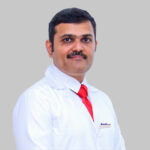
MBBS, MS, MRCS, DNB-Fellow
Dr. Sumit Kapadia
Dr. Sumit Kapadia / MR KAPADIA SUMIT a gold-medalist from Baroda Medical College, obtained his general surgical training and senior residency from SSG Hospital, Vadodara.
MBBS, MS, MRCS, DNB-Fellow
Dr. Sumit Kapadia
Dr. Sumit Kapadia / MR KAPADIA SUMIT a gold-medalist from Baroda Medical College, obtained his general surgical training and senior residency from SSG Hospital, Vadodara.